Understanding Different Types of FFL Licenses


Payment Processing Expert at Adaptiv Payments | More
FFL License Types
Type 01 (Dealer in Firearms, Other Than Destructive Devices):
Authorizes buying and selling firearms (excluding destructive devices) at retail or wholesale.
Type 02 (Pawnbroker in Firearms):
Allows pawnbroker businesses to accept firearms as collateral and later sell them if loans default.
Type 03 (Collector of Curios & Relics):
Permits individuals to collect and acquire antique firearms and firearms classified as curios and relics.
Type 06 (Manufacturer of Ammunition, Other Than Armor-Piercing Rounds):
Covers the production of standard ammunition for sale or distribution.
Type 07 (Manufacturer of Firearms and Ammunition):
Enables manufacturing of both firearms and ammunition for commercial purposes.
Type 08 (Importer of Firearms, Ammunition and Implements of War):
Authorizes importing firearms, ammunition, and military-style weapons into the U.S.
Type 09 (Dealer in Destructive Devices):
Allows dealing in destructive devices such as grenades, bombs, and certain large-caliber weapons.
Type 10 (Manufacturer of Destructive Devices, Ammunition for Destructive Devices, or Armor-Piercing Ammunition):
Covers manufacturing of military-grade weapons, related ammunition, and armor-piercing rounds.
Type 11 (Importer of Destructive Devices, Ammunition for Destructive Devices, or Armor-Piercing Ammunition):
Permits importation of those same military-grade weapons and specialized ammunition.
Type 12 (Manufacturer of Firearms for Export Only):
Authorizes producing firearms solely for export outside the United States.
Type 13 (Manufacturer of Ammunition for Export Only):
Enables manufacturing ammunition exclusively for export markets.
Before we dive into the types, let's clarify what an FFL is. A Federal Firearm License is a license that allows individuals or businesses to manufacture, import, and sell firearms and ammunition. It's regulated by the Bureau of Alcohol, Tobacco, Firearms and Explosives (ATF).
With so many Federal Firearms License (FFL) license types, you must choose the correct one for your specific needs. This table summarizes the types of Federal Firearms Licenses you can choose from, as well as who they are best suited for.
| Type | Use Case |
|---|---|
| Type 01 - Dealer in Firearms Other Than Destructive Devices | Firearm dealer, gun dealers, and gunsmithing services |
| Type 02 - Pawnbroker in Firearms Other Than Destructive Devices | Pawnbrokers who accept firearms as collateral |
| Type 03 - Collector of Curios and Relics | Companies that sell antique or relic firearms, like muskets |
| Type 06 - Manufacturer of Ammunition for Firearms Other Than Ammunition for Destructive Devices or Armor Piercing Ammunition | Manufacturers of standard ammunition, such as for rifles and shotguns |
| Type 07 - Manufacturer of Firearms Other Than Destructive Devices | Manufacturers of standard guns, such as short-barreled rifles and pistols |
| Type 08 - Importer of Firearms Other Than Destructive Devices or Ammunition for Firearms Other Than Destructive Devices, or Ammunition Other Than Armor Piercing Ammunition | Firearms importer for standard guns, rifles, and ammunition |
| Type 09 - Dealer in Destructive Devices | Dealer of destructive devices like bombs and grenades |
| Type 10 - Manufacturer of Destructive Devices, Ammunition for Destructive Devices or Armor Piercing Ammunition | Manufacturing of military-grade weaponry like machine guns, fully automatic rifles, and armor-piercing rounds |
| Type 11 - Importer of Destructive Devices, Ammunition for Destructive Devices or Armor Piercing Ammunition | Importing bombs, munitions, armor-piercing rounds, and military-grade weaponry |
| Type 12 - Manufacturer of Firearms for Export Only | Manufacturing guns solely for export, not for sale in the United States |
| Type 13 - Manufacturer of Ammunition for Export Only | Manufacturing ammunition solely for export, not for sale in the United States |
The Role of the ATF
The Bureau of Alcohol, Tobacco, Firearms, and Explosives (ATF) is responsible for enforcing federal gun laws, particularly the National Firearms Act and the Gun Control Act of 1968. This bureau regulates firearms sales, oversees importing and exporting firearms, and ensures that only responsible persons can purchase a firearm.
ATF industry operation investigators conduct regular investigations into federal firearms licensees to ensure ATF compliance, such as not selling guns to people who have not passed a background check. This bureau runs the federal firearms licensing centers, issues licenses, and revokes them if licensees fail to conduct business responsibly.
History and Evolution of the FFL
Concerns about gun control began with the National Firearms Act of 1934, which regulated dangerous weapons like sawed-off shotguns and machine guns that were used by Prohibition-era gangsters.
The Federal Firearms Act of 1938 was the progenitor of federal firearms licenses, as it required manufacturers and dealers involved in interstate gun commerce to obtain a license and maintain records. It was strengthened by the Gun Control Act of 1968, which repealed most of the 1938 act and established the modern FFL system.
Particularly, the Gun Control Act limited interstate firearms deals to valid FFL licensees. It also limited the sale of weapons to certain classes of individuals, like those with felonies.
The ATF was established to control the federal firearms license system, including operating federal firearms licensing centers and conducting inspections of gun shops. Additional legislation, like the National Firearms Act, have further restricted sales of certain dangerous weapons like short-barreled rifles to enhance public safety.
Importance of Compliance
Compliance with FFL regulations is non-negotiable. Non-compliance can lead to severe legal consequences, including hefty fines and imprisonment. It's not just about obtaining the license; maintaining it requires adherence to strict rules and regular updates on regulatory changes. Staying informed and compliant ensures the longevity and legality of your firearms business.
Why Do You Need an FFL?
If you want to run your own firearms business, whether that is to repair firearms or import guns from other countries, you must have the proper FFL. Otherwise, you may face fines or even imprisonment.
It is essential that you have the right FFL license type for your business goals. For example, if you want to sell and repair antiques, you will need a collector FFL. Manufacturers must have a manufacturer FFL.
Legal Protection
Having an FFL provides a layer of legal protection. It signifies that you are operating under the law and have met all the necessary requirements. This protection is crucial in a highly regulated industry where legal disputes can arise. An FFL can serve as a shield against legal challenges that may arise from unlawful sales or operations.
Responsible Firearm Transactions
The FFL ensures responsible firearm transactions. It mandates that all buyers undergo background checks, reducing the risk of firearms ending up with individuals who may pose a threat to society. This process helps in promoting safer communities and preventing gun-related crimes.
Enhancing Business Credibility
For businesses, an FFL enhances credibility. Customers are more likely to trust and engage with a licensed dealer. It demonstrates a commitment to legal and ethical standards. This credibility is invaluable in building a reputable brand in the firearms industry. An FFL can be a significant factor in gaining the trust and confidence of your clientele.

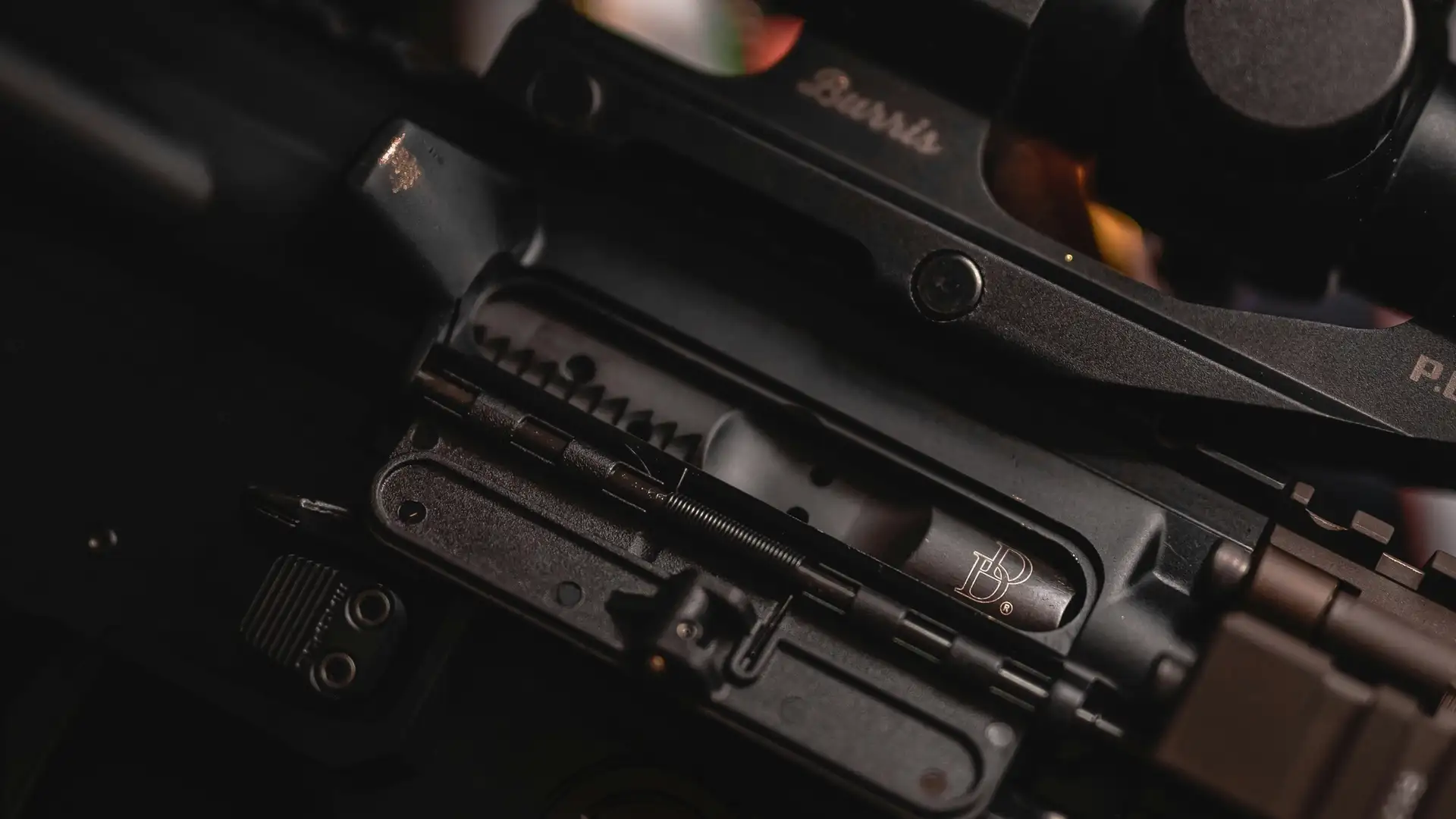
Firearms and a federal bill.
Credit: Adaptiv Payments
FFL License Types Explained
There are several types of FFL licenses, each serving different purposes. Let's explore these types to understand which one might be right for you.
Type 01 FFL - Dealer in Firearms Other Than Destructive Devices
The Type 01 FFL is the most common license and is often what people think of when they hear "FFL." This license allows holders to deal in firearms, including rifles, shotguns, and handguns, but excludes destructive devices like grenades.
Who Should Apply?
Retail gun shops are typical holders of a Type 01. This license is essential for any brick-and-mortar store dealing in firearms. Gunsmiths who specialize in repairing and customizing firearms also find this license beneficial. Online firearm retailers require this license to legally sell firearms over the internet.
Business Operations
With a Type 01 FFL, businesses can engage in buying and selling firearms. This includes the ability to conduct background checks and comply with all federal firearm laws. The license allows for the operation of a retail or online store, providing flexibility in business models. Holders must maintain meticulous records of all transactions and ensure compliance with ATF regulations.
Regulatory Compliance
Type 01 FFL holders must comply with a range of regulations. This includes conducting mandatory background checks on all firearm buyers. Businesses must also keep detailed records of all transactions, which are subject to ATF inspections.
Type 02 FFL - Pawnbroker in Firearms Other Than Destructive Devices
Similar to the Type 01 FFL, the Type 02 license is for pawnbrokers who want to deal in firearms. This allows them to accept firearms as pawned items and sell them if the original owner does not reclaim them.
Who Should Apply?
Pawnshops dealing in firearms should apply for a Type 02 FFL. This license is essential for any pawnbroker who accepts firearms as collateral. It provides the legal framework to resell firearms that are not reclaimed. This license caters specifically to the business model of pawnbroking.
Business Considerations
Operating with a Type 02 FFL involves unique considerations. Pawnbrokers must understand the legalities of accepting firearms as collateral. They must also be prepared to handle the resale of these firearms if unclaimed. This involves conducting background checks and maintaining transaction records, similar to other FFL types.
Regulatory Challenges
Regulatory compliance for Type 02 FFL holders can be challenging. Pawnbrokers must navigate both federal firearm laws and state-specific regulations. This requires staying informed about changes in laws and ensuring full compliance. Failure to adhere to these regulations can result in severe penalties and the loss of the license.
Type 03 FFL - Collector of Curios and Relics
The Type 03 FFL is tailored for collectors. It allows holders to collect firearms classified as "curios and relics" without the intention of selling them. These are typically firearms that are at least 50 years old or have historical significance.
Who Should Apply?
Firearm collectors and history enthusiasts are the primary applicants for a Type 03 FFL. This license appeals to individuals interested in acquiring historical firearms. It allows collectors to legally expand their collections without engaging in commercial sales. The license supports the preservation of firearms with cultural or historical value.
Collecting as a Hobby
For many, collecting firearms is more than a hobby; it's a passion. The Type 03 FFL enables collectors to pursue this passion legally. Collectors can acquire rare and historical firearms across state lines without the usual restrictions. This license enriches the collecting experience by simplifying the acquisition process.
Preservation of History
The Type 03 FFL plays a role in preserving history. Collectors contribute to the safeguarding of firearms with significant historical value. This preservation is vital for educational and cultural purposes. By collecting and maintaining these firearms, enthusiasts help keep history alive for future generations.
Type 06 FFL - Manufacturer of Ammunition for Firearms
The Type 06 FFL is for those interested in manufacturing ammunition. However, it does not allow for the manufacture of armor-piercing ammunition.
Who Should Apply?
Ammunition manufacturers are the primary applicants for a Type 06 FFL. This license is crucial for businesses focused on producing standard ammunition. It provides the legal framework to manufacture and sell ammunition nationwide. The license excludes the production of armor-piercing rounds, aligning with federal safety regulations.
Manufacturing Process
Manufacturing ammunition involves several steps, including sourcing raw materials and ensuring quality control. A Type 06 FFL holder must adhere to strict guidelines during the production process. This includes maintaining records and ensuring compliance with safety standards.
Safety and Compliance
Safety is paramount in ammunition manufacturing. Type 06 FFL holders must implement rigorous safety protocols. This includes training staff and maintaining a safe production environment. Compliance with federal regulations is mandatory to prevent accidents and ensure the safety of the workforce.
Type 07 FFL - Manufacturer of Firearms Other Than Destructive Devices
This license allows the holder to manufacture firearms and ammunition. It's broader than the Type 01 license, encompassing the production aspect of the business.
Who Should Apply?
Firearm manufacturers and gunsmiths who build firearms should apply for a Type 07 FFL. This license is essential for businesses involved in the production and assembly of firearms. It allows for the manufacture of firearms and ammunition on a commercial scale.
Manufacturing Capabilities
The Type 07 FFL offers extensive manufacturing capabilities. Holders can produce a variety of firearms, including rifles, shotguns, and handguns. This license also permits the production of ammunition, providing a comprehensive solution for manufacturers.
Business Growth
Obtaining a Type 07 FFL can be a catalyst for business growth. It enables manufacturers to expand their product offerings and reach new markets. The license supports scaling operations and increasing production capacity.
Type 08 FFL - Importer of Firearms Other Than Destructive Devices
The Type 08 FFL is for those who wish to import firearms and ammunition into the United States. This license excludes destructive devices.
Who Should Apply?
Businesses importing firearms should apply for a Type 08 FFL. This license is crucial for companies involved in the international trade of firearms and ammunition. It provides the legal framework to import products into the U.S. market. The license supports the growth of a legitimate import business.
Importing Process
Importing firearms involves navigating complex regulations and customs procedures. A Type 08 FFL holder must be well-versed in international trade laws. This includes understanding import duties, tariffs, and compliance with U.S. regulations. The license simplifies the importing process and supports business operations.
Global Market Opportunities
The Type 08 FFL opens doors to global market opportunities. It allows businesses to source firearms and ammunition from international manufacturers. This access can lead to the introduction of new products and innovations in the U.S. market. The license supports diversification and expansion into new markets.
Type 09 FFL - Dealer in Destructive Devices
This license is for dealing in destructive devices, including grenades, bombs, and large caliber weapons. Due to the nature of the products, this license is heavily regulated.
Who Should Apply?
Businesses dealing in military-grade weapons should apply for a Type 09 FFL. This license is essential for companies involved in the sale of destructive devices. The license is suitable for specialized businesses in the defense sector.
Regulatory Oversight
The Type 09 FFL is subject to intense regulatory oversight. Holders must comply with stringent laws governing the sale of destructive devices. This includes maintaining detailed records and undergoing regular inspections.
Industry Implications
Dealing in destructive devices has significant industry implications. The Type 09 FFL supports defense contractors and military suppliers. It allows for the legal sale of products used in defense and security operations.
Type 10 FFL - Manufacturer of Destructive Devices
The Type 10 FFL is required for manufacturing destructive devices, such as bombs or grenades. Like the Type 09, it's subject to strict regulations.
Who Should Apply?
Manufacturers of military-grade weapons should apply for a Type 10 FFL. This license is essential for companies involved in producing destructive devices. The license is suitable for specialized manufacturers in the defense sector.
Manufacturing Regulations
Manufacturing destructive devices involves adhering to rigorous regulations. Type 10 FFL holders must comply with federal laws and safety standards. This includes maintaining secure facilities and ensuring product safety.
Defense Industry Support
The Type 10 FFL supports the defense industry by enabling the legal manufacture of military-grade weapons. The license contributes to the national security infrastructure by supporting legitimate manufacturing operations.
Type 11 FFL - Importer of Destructive Devices
This license allows for the importation of destructive devices. It's similar to the Type 08 but specifically for military-grade weaponry.
Who Should Apply?
Importers of military-grade weapons should apply for a Type 11 FFL. This license is essential for companies involved in the international trade of destructive devices. It provides the legal framework to import products into the U.S. market.
Importation Challenges
Importing destructive devices involves navigating complex regulations and customs procedures. A Type 11 FFL holder must be well-versed in international trade laws, like import duties, tariffs, and compliance with U.S. regulations.
National Security Implications
The Type 11 FFL contributes to the national security infrastructure by enabling the legal import of military-grade weapons. Compliance with regulations is critical to prevent misuse and ensure public safety.
How to Obtain an FFL
Obtaining an FFL requires several steps, including filling out an application with the ATF, undergoing a background check, and paying a fee. The process can take several months, so it's essential to plan accordingly.
An 01 FFL license costs $200 upfront, with a $90 renewal fee every year. Manufacturers of firearms or destructive devices should expect a larger fee, which can be as high as $3,000 or more.
Steps to Apply
- Determine the Type: Decide which FFL type aligns with your business or personal goals.
- Complete the Application: Fill out the ATF Form 7 for most FFL types. Ensure that all information is accurate and complete to avoid delays.
- Submit Fingerprints and Photos: The ATF uses these to verify the applicant's identity and eligibility.
- Pay the Application Fee: Ensure that payment is submitted with the application to initiate processing.
- Await Approval: The ATF will conduct an interview and inspect your premises to ensure compliance with federal regulations.
Of note is that if you handle any weapons that are regulated by the National Firearms Act, you will also need to register as a Special Occupational Taxpayer (SOT). NFA firearms include short-barreled rifles and machine guns. This is not a license, but an additional tax you will pay.
The special occupational tax (SOT) registration costs $500 for Type 01, 02, and 09 FFL licensees. Manufacturers and importers have higher costs, around $1,000. You must pay this renewal fee every year by July 1st.
Additionally, manufacturers and importers must pay an excise tax of 10% on pistols and revolvers, and 11% on other types of firearms.
Preparing for the ATF Inspection
When you apply for a federal firearms license, you will have to undergo an ATF inspection. This can seem daunting, but if you are managing your company responsibly, you have nothing to fear. Follow these steps to prepare for the inspection.
Acquisition & Disposition (A&D) Records: Check that all firearms that have been acquired or disposed of are properly logged with their serial number, manufacturer, and model. Conduct monthly or quarterly inspections to check your inventory against the A&D Records. Make any corrections according to ATF standards.
ATF Forms 4473: Review all forms within the last 12 months for accuracy, ensuring that all signatures are correct. You must keep denials or canceled transfers indefinitely, and these should be filed separately.
Background Checks and Reporting: Check that all staff know how to use the NICS and verify all buyer eligibility with government-issued IDs.
Security and Business Practices: Ensure all firearms are secured at all times and have locking devices available.
Timeline and Expectations
The timeline for FFL approval is typically two months. There may be delays if forms aren’t filled out correctly, if you have trouble scheduling your interview, or if ATF inspectors find any violations. If the ATF requests additional information, respond promptly to avoid delays.
Conclusion
Understanding the different types of FFL licenses is crucial to legally engage in firearm sales, manufacturing, or importation. Whether you're a collector, dealer, or manufacturer, knowing the specifics of each license type helps ensure you comply with federal regulations. By choosing the right license and following the correct application process, you can legally and responsibly engage in your firearms-related activities.
A Commitment to Legal and Responsible Commerce
In summary, an FFL is more than just a license; it's a commitment to legal and responsible firearm commerce. It ensures that all transactions are conducted under the law, promoting safety and accountability. By adhering to regulations, you contribute to a safer society and a reputable industry.
Making Informed Decisions
Choosing the right FFL type requires understanding your business goals and regulatory obligations. Informed decisions lead to successful operations and compliance. By selecting the appropriate license, you position yourself for success in the firearms industry.
Contributing Positively to the Industry
An FFL is a tool for contributing positively to the firearms industry. It supports responsible sales, manufacturing, and distribution of firearms and ammunition. By obtaining and maintaining an FFL, you play a role in promoting safety and integrity in the industry.
FAQs about FFL License Types
What are the main types of FFL licenses?
The main types are 01 (Dealer), 07 (Manufacturer), and 08 (Importer). There are additional federal firearms licenses for specialized uses, like curio collectors.
Which FFL license do I need to open a gun store?
To sell firearms, you will need a Type 01 Dealer license.
How much does it cost to get an FFL license?
The standard 01 FFL costs $200 for the application fee. Others, such as Type 09, can cost up to $3,000.
Can I sell guns online with a Type 01 FFL?
Yes, you can sell firearms online with a Type 01 license.
Do I need a separate FFL to manufacture ammunition?
Yes. Type 06 is for standard ammunition, while Type 10 is for armor-piercing and destructive ammunition. Choosing the correct Federal Firearms License for your chosen manufacturing goals is essential to remain compliant.
