Before You Apply: A Complete Telehealth Merchant Account Opening Checklist
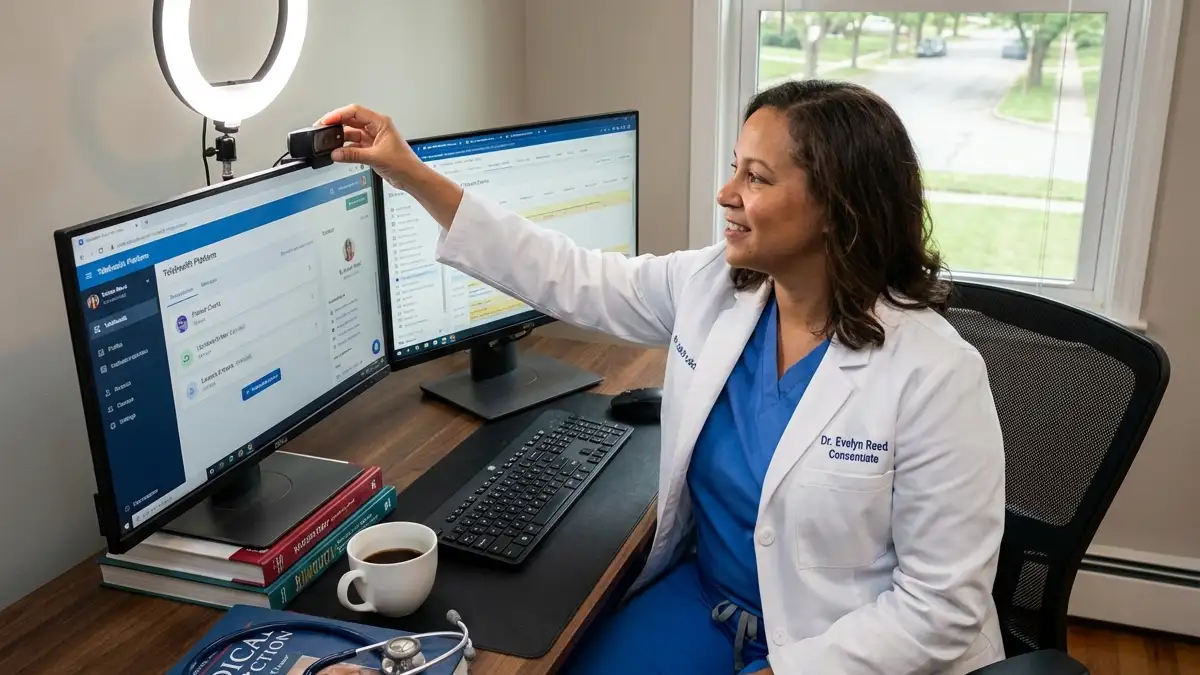
Healthcare provider preparing for a virtual consultation with a patient
Credit: Adaptiv Payments


Director of Sales at Adaptiv Payments | More
Telehealth is no longer a niche corner of healthcare, but a core means by which patients receive care. From virtual doctor visits to online therapy and digital prescriptions, telehealth businesses are processing more payments than ever. The numbers? According to Allied Market Research, the global telehealth market was valued at $108.5 billion USD in 2023 and projected to reach $851 billion USD by 2032.
But there’s a catch.
Payment processors view telehealth as a higher-risk industry. That means getting approved for a merchant account can feel confusing, slow, or frustrating if you don’t know what underwriters are looking for.
This guide by Adaptiv Payments breaks it all down. By the end, you’ll have a practical telehealth merchant account opening checklist that helps you prepare the right documents, avoid common mistakes, and improve your odds of fast approval.
What Is a Telehealth Merchant Account?
A telehealth merchant account allows healthcare providers and telemedicine platforms to accept electronic payments for remote medical services. This includes a broad range of businesses, such as virtual pharmacies, mental health providers, mobile health apps, weight loss coaches, pain management providers, online laboratory services (e.g., Quest Diagnostics, Labcorp), and more.
Unlike standard eCommerce merchant accounts, telehealth merchant accounts are built to handle:
- Virtual visits and consultations
- Recurring patient billing via secure, compliant payment gateways
- Medical service payments
- HIPAA-compliant payment workflows
- Specialized subscription models for ongoing wellness care
- Remote patient monitoring, diagnostics, and follow-ups
- Digital healthcare programs
Most mainstream processors (like Stripe or PayPal) are not well-suited for telehealth businesses. While these platforms might grant upfront approval, they often freeze funds, impose strict limits, or shut down accounts due to the medical nature of transactions.
That’s why telehealth providers usually need a high-risk merchant account built specifically for their industry.
Why Telehealth Businesses Face More Scrutiny From Payment Processors
Telehealth businesses combine several risk factors that processors watch carefully.
First, all transactions are card-not-present (CNP). There is no physical interaction in virtual care, which inevitably increases fraud and dispute exposure.
Second, telehealth operates in a strictly regulated healthcare environment and is subject to local, state, and federal laws. Even when services are legitimate, unclear disclosures or billing confusion can trigger chargebacks (as well as red flags).
Third, patient expectations can vary. When outcomes fail to match expectations, customer disputes often follow, even if the service was delivered properly.
From an underwriting perspective, this means telehealth merchants must demonstrate:
- Clear service descriptions
- Transparent billing practices
- Strong customer communication
- Proactive dispute management
Processors that simply don’t understand telehealth often respond by restricting accounts rather than supporting them with real-time tools. And when patients rely on telehealth for timely care, unexpected payment disruptions can interrupt treatment, delay appointments, and impact a provider’s ability to deliver consistent support.
A Comprehensive Telehealth Merchant Account Opening Checklist

A licensed therapist checking items off a checklist
Credit: Adaptiv Payments
If you want a smooth approval process, preparation is everything. Below is a detailed checklist for opening a telehealth merchant account that will help you gather exactly what processors expect to see.
Business & Corporate Documentation
Payment processors first want to confirm that you’re a legitimate, stable business.
Be ready to provide:
- Legal business name and registration (Articles of Incorporation or LLC formation documents)
- Employer Identification Number (EIN) or tax ID
- Government-issued IDs for owners
- Business licenses and permits
- Recent business bank account statements
- Tax returns
- Processing statements from an existing processor (if applicable)
Website & Telehealth Platform Requirements
Your website is one of the first things underwriters review.
They’ll be looking for transparency, professionalism, and compliance.
Your site should clearly include:
- Full business name and contact information
- Physical business address
- Clear description of services offered
- Pricing details
- Refund and cancellation policies
- Terms and conditions
- Privacy policy
- HIPAA compliance statements (if applicable)
- Secure checkout pages
- SSL certificate
Please note: If your telehealth platform is still under construction or missing key pages, approval will likely be delayed or denied. Processors want to see a fully operational, patient-ready website before they take on the risk.
Compliance & Patient Transparency Materials
Telehealth operates in a highly regulated environment. Payment providers need proof that you take compliance seriously.
Have the following ready:
- Patient consent forms
- Provider licensing documentation for all medical professionals
- State medical licensure
- HIPAA compliance policies (protecting sensitive patient data is a must)
- Medical disclaimers clarifying what your providers can and cannot diagnose, treat, or manage
- Identity verification processes
- Prescription protocols (if applicable)
- LegitScript certification (if you provide pharmaceuticals)
- Data security and privacy procedures
Transparency is essential. Underwriters want confidence that your business is not engaging in questionable medical practices or misleading claims.
Billing & Payment Model Details
Processors will dig deep into how you charge patients.
Be prepared to explain:
- Your pricing structure
- Average transaction size
- Expected monthly volume
- One-time visits vs. recurring billing models
- Subscription terms
- Refund and cancellation policies
- Trial offers (if any)
- How and when cards are charged
Telehealth businesses that rely on subscriptions or auto-billing must clearly outline these practices. Anything that seems unclear or deceptive is a major red flag to potential payment partners.
Chargeback & Dispute Preparedness
Chargebacks are one of the biggest concerns for telehealth merchants, as well as high-risk accounts in general (e.g., tobacco, firearms, gambling).
Processors will ask:
- What is your expected chargeback ratio?
- How will you handle patient disputes?
- What systems are in place to reduce complaints?
- Do you have clear refund policies?
If you’ve processed payments before, be ready to provide past chargeback reports. If you’re new, you’ll need a clear plan that explains how you intend to keep disputes low.
How to Increase Approval Odds Before You Apply
Strong applications start with strong preparation.
Before applying, take time to get your business in order. Make sure your website is fully functional, professional, and compliant, with clear refund and cancellation policies in place. Use honest, transparent medical marketing language and avoid exaggerated claims about treatments and health-related results.
Organize all required business documents in advance, prepare realistic volume projections, implement reliable identity verification tools, and put a proactive chargeback prevention strategy in place.
Think of it like preparing for a financial background check. The more organized and transparent you are, the better you’ll look to underwriters.
Why a High-Risk Processor Matters for Telehealth Merchants
Working with a specialized high-risk processor can deliver serious ROI for telehealth businesses.
The right partner provides HIPAA-compliant transaction processing, advanced chargeback mitigation tools, and secure payment gateways equipped with Card Verification Value (CVV), Address Verification System (AVS), and 3D Secure 2.0 technology. You’ll benefit from faster processing times, lower transaction fees, and more reasonable setup costs, without sacrificing on security or compliance.
Continuous transaction monitoring adds another layer of fraud prevention, while personalized, expert customer service ensures you always have real support when you need it. For telehealth providers, that combination of stability, savings, and security makes all the difference.
How Adaptiv Payments Supports Telehealth Merchant Accounts

Adaptiv Payments icon showing a hospital building connected to a desktop monitor with a dollar sign
Credit: Adaptiv Payments
Not every processor accepts telemedicine payments. And for many who do, serious payment issues tend to arise long after onboarding.
This is because mainstream platforms aren’t equipped to handle telehealth billing patterns, constant regulatory shifts, chargeback dynamics, or growth without sudden volume caps. As a result, unexpected freezes, rolling reserves, or account terminations often follow, creating real disruptions for both patients and providers.
Fortunately, Adaptiv Payments was thoughtfully designed to support high-risk industries like telehealth. Here are just a few of the benefits to telehealth merchants:
HIPAA Compliance and Data Privacy
By adhering to PCI security standards, Adaptiv provides secure transaction environments built for the strict privacy and data protection requirements of healthcare. Your payments stay compliant while your patients’ sensitive information stays protected.
Advanced Chargeback Mitigation
Chargebacks are the primary reason telehealth is labeled high-risk, but they’re largely preventable. Clear policies, honest communication, secure payment tools, and proactive dispute management can dramatically reduce risk. Adaptiv helps telehealth businesses implement these protections through advanced monitoring, compliance expertise, and dedicated support.
Lower Fees and Reasonable Setup Costs
High-risk doesn’t have to mean high expense. We work to secure competitive rates and transparent pricing structures that make telehealth payment processing more affordable.
Continuous Transaction Monitoring
Adaptiv watches every transaction in real time for suspicious activity. Our monitoring tools help detect and prevent fraud early, keeping your account secure and compliant.
White-Glove Support Lets You Focus on Patient Care
You’ll never be handed off to a call center. Adaptiv pairs you with knowledgeable payment professionals who understand telehealth at the expert level and are ready to help whenever issues arise. This allows all of your healthcare professionals, from nurse practitioners and physician assistants to licensed therapists, to focus on what matters most: the patient.
Multiple Sponsor Bank Relationships
Because Adaptiv maintains relationships with a large network of sponsor banks, we’re able to place telehealth merchants where they fit best. The result is greater approval odds and fewer disruptions as your business grows.

Final Checklist and Getting Started With a Telehealth Merchant Account
Before applying for a telehealth merchant account, make sure you can confidently check these key boxes:
- Business and ownership documents are complete
- Website clearly explains services and billing practices
- Policies and disclosures are visible and accurate
- Payment model details are well defined
- Dispute and refund processes are clearly documented
While Adaptiv aims to provide fast and stress-free approval for every client, the entire process can take up to 2–3 weeks (sometimes longer) for telehealth merchants. The timeline depends on the nature of your business and any additional information our underwriters may need to confirm.
Once you supply all necessary documentation, all that’s left is to get approved and integrate Adaptiv’s payment processing tools into your existing systems. If you would like help navigating the process, our Adaptiv team is here to guide you from application to approval.
Adaptiv knows payments, and we know telehealth. Instead of treating you like a liability, we treat you like a partner. Apply for a specialized medical merchant account today and secure stable payment processing solutions for your business.