A Complete Guide to the Merchant Account Approval Process for Collection Agencies

Two coworkers sitting at a desk smiling and working on a laptop
Credit: Adaptiv Payments


Tech Lead at Adaptiv Payments | More
Running a collection agency isn’t for the faint of heart. As these businesses prepare to deal with hostile customers, impatient creditors, high turnover, and serious financial pressure, they often forget one crucial step to staying afloat: obtaining a specialized merchant account.
Whether you’re collecting on medical debt, consumer loans, or commercial accounts, you need a merchant account that actually works for and with the way your business operates. The problem? Approval isn’t always easy, especially in a high-risk space like collections.
Processors look closely at how you operate, how you manage risk, and how prepared you are going in. Knowing what they care about (and nailing your application) can be the difference between a quick approval and a growing rejection pile.
In this Adaptiv guide, we break down what to expect from the merchant account approval process for collection agencies, from how to prepare upfront to what happens after you’re approved.
Understanding Why Collection Agencies Are High-Risk
Before diving into the approval process, it's important to understand why collection agencies face additional scrutiny from payment processors and acquiring banks (as opposed to standard merchants).
A high-risk merchant account is designed for businesses that operate in industries with elevated financial or reputational risks. As a standard part of their underwriting process, merchant account providers evaluate risk and account stability based on several factors: chargeback rates, regulatory requirements, and the likelihood of financial disputes.
Collection agencies fall into the high-risk category for several specific reasons:
Higher Chargeback Potential
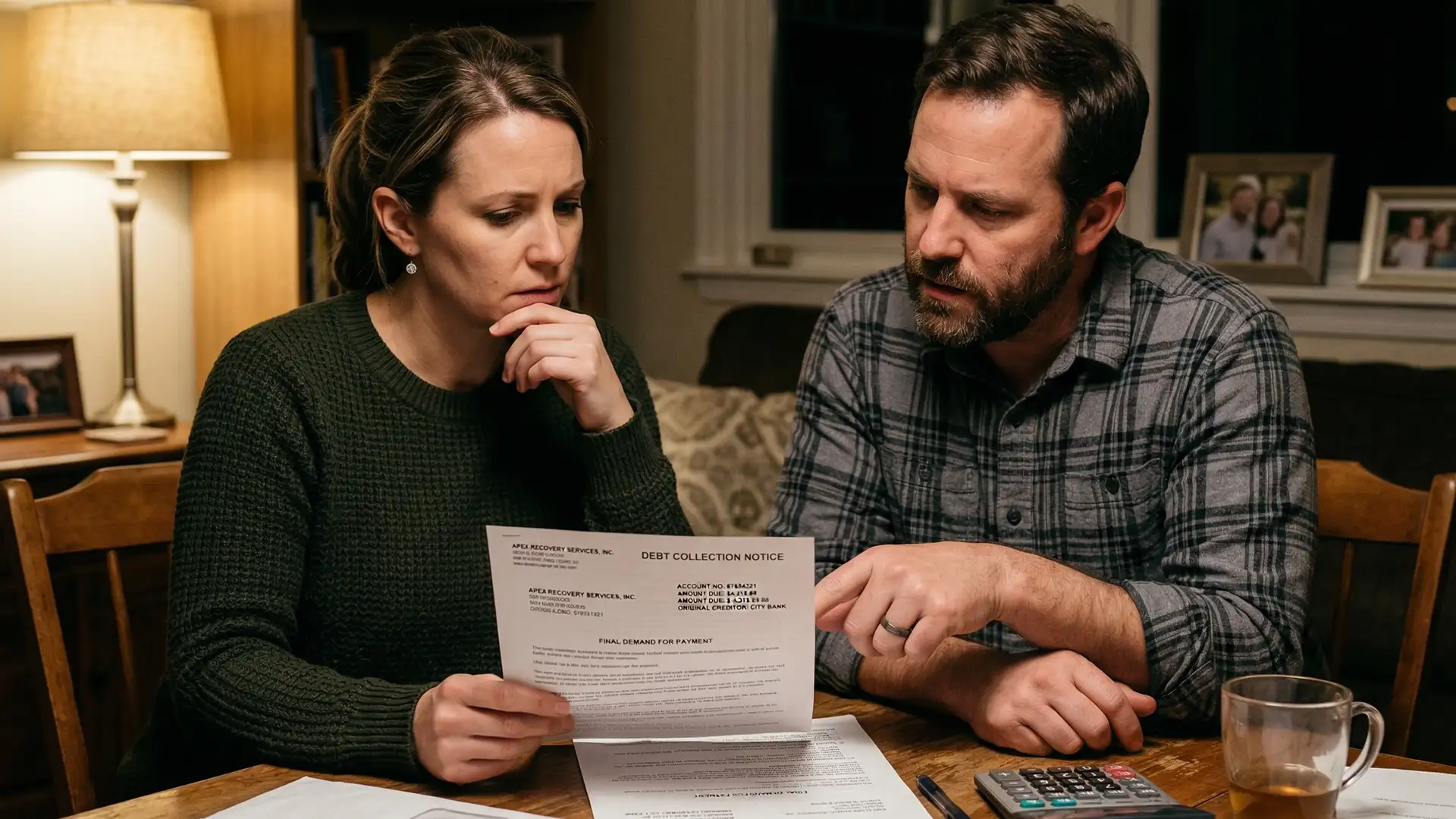
Consumers don't always want to pay what they owe, and chargebacks can become a convenient tool for disputing debts. Unlike a retail customer who bought a product and received it, collection payments often involve debts consumers may not even remember or don't believe they're responsible for.
They see an unfamiliar charge on their statement from a collection agency, and the immediate reaction is to dispute it with their bank. "I never authorized this" or "This debt isn't mine" are among the most common claims, even when the debt is legitimate and proper authorization was obtained.
For payment processors, this creates a predictable pattern: Collection agencies will inevitably see higher chargeback rates than a typical merchant. It's not necessarily because you're doing anything wrong. It's simply the nature of collecting on debts that consumers are often reluctant or unable to pay. Processors know this, but they still need to see that you have systems in place to keep these disputes as low as possible.
Compliance Concerns
Collection agencies operate under strict federal regulations, including the Fair Debt Collection Practices Act (FDCPA), and are subject to oversight from the Consumer Financial Protection Bureau (CFPB). The FDCPA prohibits abusive, deceptive, or unfair debt collection practices, and violations can result in significant penalties. Payment processors need assurance that your business is fully compliant with these regulations and intends to stay that way.
Reputational Risks
Processors face scrutiny for servicing agencies with questionable practices. They don't want regulatory attention or bad press for enabling unethical collection tactics. To protect themselves, processors enforce strict compliance monitoring and may terminate accounts for agencies deemed too litigious (or a little too lawsuit-happy).
The takeaway? Processors don't expect you to never face legal or reputational challenges. They just want evidence that you're operating ethically and have strong compliance systems in place to minimize risk.
Legal Disputes
There’s no getting around it: Lawsuits are common with collection agencies. They pretty much come with the territory. Consumers dispute debts, claim improper collection practices, or challenge the validity of what they owe. Or on the flip side, your agency may decide to file a lawsuit against consumers who refuse to pay up.
But what payment processors are really concerned about? Lawsuits aren't just about the legal fees you're paying. High litigation rates suggest to processors that an agency might be using aggressive or potentially illegal collection tactics. They're watching for violations like the 7-in-7 rule (which limits how many times you can contact a consumer within seven days) and other FDCPA requirements. If you're getting sued frequently, processors worry you're operating outside compliance boundaries.
There's also the financial domino effect. Excessive lawsuits typically translate into high volumes of consumer disputes and chargebacks. And it’s processors who have to manage and ultimately pay for these issues if your business can't cover them. That's a direct hit to their bottom line.
Your Pre-Application Checklist
It might sound a tad cliché, but preparation truly is key here. The more proactive you are going into the application process, the better chance you have of getting swiftly approved and onboarded.
Merchants who do their due diligence look especially appealing to payment processors, as they require comprehensive documentation to assess your eligibility for a high-risk merchant account. Be prepared to provide:
Business Formation Documents
- Business license and registration
- Articles of incorporation or LLC operating agreement
- Proof of business insurance
- State collection agency license
- Tax ID and government ID for principal business owner
Financial Documents
- Three to six months of business bank statements
- Recent processing history from previous merchant accounts (if applicable)
- Balance sheets and profit/loss statements to show proof of financial stability
- Tax returns (business and sometimes personal)
- Business credit reports
- Personal credit report for business owners
Compliance Documents
- FDCPA compliance policies and procedures
- Training materials for collection staff
- Quality assurance and monitoring processes
- Surety bond information (if required in your state)
Operational Information
- Physical business address and website
- Business plan outlining your collection practices
- Description of your target market and client base
- Average transaction amounts
- Monthly processing volume projections
- Detailed explanation of your debt collection process
Business Fundamentals To Strengthen Your Application

Group of colleagues collaborating at the office
Credit: Adaptiv Payments
Beyond documentation, certain business characteristics make your application more attractive to underwriters:
- Time in Business: While startups can and do get approved, established collection agencies with a proven track record are generally viewed more favorably. This demonstrates business stability and operational experience.
- Processing Volume: Clear, realistic projections of your monthly processing volume help underwriters assess risk and determine appropriate account limits. Be ready to explain how you arrived at these numbers.
- Average Transaction Size: Consistent transaction patterns are preferable to wildly fluctuating amounts. Document your typical collection amounts and payment plans, and share this information with underwriters.
- Chargeback History: If you have previous processing history, a low chargeback ratio (ideally below 1%) significantly strengthens your application. Recent card network incentives urge businesses to keep chargebacks and other disputes under 0.9%.
- Client Retention and Diversity: Working with multiple clients across different debt types automatically reduces risk. A collection agency that depends on a single client is more vulnerable if that relationship ends.
Red Flags to Address Before Applying
Payment processors, even those equipped and willing to take on hard-to-place merchants, want to see that you’ve made a clear effort to resolve anything that could impact your risk profile. Addressing these common concerns communicates that you take compliance (and your payment partnership) seriously:
- Previous merchant account terminations: If a processor has previously closed your account, be prepared to explain what happened and what you've done to address the issues moving forward.
- MATCH List placement: Being on the MATCH list (Member Alert to Control High Risk merchants) doesn't automatically disqualify you from obtaining a merchant account, but you'll need to work with a specialized processor who can navigate this challenge.
- Poor credit history: Work on improving both business and personal credit scores before applying, if possible.
- Compliance issues: Resolve any outstanding FDCPA violations or CFPB complaints before submitting your application.
What to Expect During the Application Process
Now that you’ve got a solid documentation checklist and some strategies to strengthen your application, you’re likely still wondering, “What does the actual application process entail?” From the very first conversation to finalizing your account setup and integration, we’ve provided a detailed rundown of what to expect below:
Step 1: Initial Consultation and Needs Assessment
When you contact a payment processor like Adaptiv Payments, the process typically begins with a consultation to understand your specific needs. During this conversation, you'll discuss elements like:
- Your business model and collection practices
- Monthly processing volume and growth projections
- Any previous processing challenges
- Specific features you need (virtual terminal, recurring billing, multi-currency processing, etc.)
- Timeline requirements
This consultation helps the processor determine whether they can support your business and what type of account structure would work best.
Step 2: Application Submission
Once you've gathered all necessary documentation, you'll complete a formal application. This typically includes:
- Business information and ownership details
- Processing history and realistic volume projections
- Banking information
- Owner’s background information
- Detailed description of business operations
Be as thorough and accurate as you can. Inconsistencies or missing information will delay the process and may even harm your application.
Step 3: Underwriting Review
This is where your merchant account application gets put under a microscope. Underwriters will:
- Verify all submitted information
- Review your business and personal credit
- Assess your compliance measures
- Evaluate your chargeback history
- Analyze your business model and risk profile
- Check databases like the MATCH list
- Review any legal or regulatory issues
They want to see that you know what you're doing: You're compliant with FDCPA rules, you've got chargeback prevention systems in place, your finances are stable, you can handle your processing volume, and you actually have debt collection experience.
Step 4: Approval Decision
If approved, you’ll receive terms outlining:
- Monthly processing rates and fees
- Reserve requirements (if any)
- Volume limits
- Settlement timing
- Contract terms
If denied, reputable processors should explain why and may suggest steps you can take to become approvable in the future.
Step 5: Account Setup and Integration
Once approved, you'll work with the processor's technical team to:
- Set up your merchant account
- Integrate the secure payment gateway with your systems
- Configure virtual terminal access
- Test transactions
- Train your staff on the platform
Have questions about any of the above? Our customer support team at Adaptiv Payments is happy to help. Contact us anytime for expert guidance on the application process.
Partnering With the Right Payment Processor

Business partners shaking hands in an office
Credit: Adaptiv Payments
Why do specialized high-risk processors matter?
Traditional payment processors are built for low-risk businesses. As a result, they don’t typically have the systems, risk tolerance, or industry experience needed to support collection agencies. That can lead to:
- Automatic declines for high-risk applications
- Overly restrictive account terms post-approval
- Limited guidance on compliance or day-to-day operational questions
- Little flexibility when issues come up
Specialized high-risk processors, like Adaptiv Payments, take a different approach. We understand the realities of the debt collection industry and have the tools, processes, and experience to support your business model long-term.
What to Look for in a Payment Processing Partner
As a debt collection agency, some of the features that should matter most when deciding on a future payment partner include:
- Experience with Collection Agencies: Your processor should have proven experience supporting debt collection businesses. They should understand FDCPA requirements, typical transaction patterns, and industry-specific challenges.
- Multiple Sponsor Bank Relationships: This is crucial for collection agencies. Relationships with multiple acquiring partners give you a higher likelihood of approval, backup options if one bank suddenly tightens restrictions on your industry, competitive pricing through better negotiating leverage, and business continuity when banking relationships shift.
- Strong Fraud Prevention Tools: Your processor should offer advanced fraud detection systems that flag suspicious transactions before they become problems. This protects both your business and your merchant account from fraud-related chargebacks and potential account termination.
- Ongoing Compliance Support: Debt collection regulations change frequently, and your payment partner should help you stay informed about updates that directly affect your operations. Before you sign on the dotted line, make sure your new processor provides compliance resources, regulatory alerts, and guidance rather than leaving you to figure it out alone.
- Robust Chargeback Mitigation: Look for a processor that helps you prevent and manage chargebacks through tools like transaction monitoring, dispute resolution support, and early warning systems. Proactive chargeback management keeps your dispute ratios low and your account in good standing.
How Adaptiv Payments Supports Collection Agency Merchant Accounts
Adaptiv provides personalized service with dedicated account representatives who actually understand your business, not merely generic high-risk merchants. Our technical solutions address the niche challenges collection agencies face daily, backed by relationships with multiple acquiring partners that improve your approval odds and account stability.
Our white-glove service includes consultation on best practices for managing chargebacks and staying compliant, which means that we help you succeed alongside processing payments. When issues come up, our responsive support team handles them quickly, often within an hour, because we know how lucrative every hour is for collection agencies.
FAQs About Collection Agency Merchant Accounts
Most high-risk merchant account applications through Adaptiv Payments are processed within 7–10 business days. However, collection agencies may require additional underwriting time due to compliance verification and risk assessment. The complete setup process, from application through integration, typically takes 2–3 weeks.
Applications with previous processing issues, MATCH list placement, or complex business structures may extend this timeline. Working with a specialized processor like Adaptiv Payments helps streamline approval because our underwriters are already familiar with collection agency operations.
Yes, though you’ll need to apply with a specialized merchant account provider and have strong alternative documentation ready. Provide a detailed business plan, evidence of industry experience among your team (not required but highly recommended to increase your odds of approval), proof of strict legal compliance, and realistic transaction volume projections.
As a new collection agency, you’ll also need to demonstrate strong personal credit and have a chargeback mitigation strategy in place. Be prepared for lower initial volume limits and possibly higher reserve requirements until you build processing history.
Being denied or MATCH-listed doesn’t automatically mean you’re out of options. Most specialized high-risk processors have experience working with merchants who've faced these challenges. The key is transparency about what happened and demonstrating that you've addressed any underlying issues that may have once jeopardized your past application or merchant account.
Adaptiv Payments has helped many collection agencies find processing solutions after denials elsewhere. With an efficient underwriting process tailored to your business model and a large network of banking partners, we can help your business get approved and matched with the most compatible acquiring bank possible.
Payment processors want to see that you operate a secure, compliant, and well-documented collection agency. Ahead of your application, you’ll need to demonstrate:
Fair Debt Collection Practices Act (FDCPA) Compliance
- Written policies and procedures
- Staff training programs with documented completion records
- Call monitoring and quality assurance processes
- Documentation systems for consumer communications
- Procedures for handling debt validation requests
- Cease communication protocols
- Dispute resolution processes
Payment Security Implementation
- PCI DSS (Payment Card Industry Data Security Standard) compliance certification
- Secure payment processing systems
- Data encryption and protection measures
- Regular security audits
Knowledge of State-Specific Requirements
- Adherence to regulations in states where you operate
- Appropriate licensing and bonding documentation
- State-mandated reporting compliance
Strong compliance documentation significantly improves your approval odds and indicates that you're a stable, low-risk partner. At Adaptiv Payments, compliance is a fundamental part of our merchant services, helping you keep bank relationships strong and collections practices above board.
Final Thoughts
Getting approved for a collection agency merchant account comes down to preparation, transparency, and working with a processor that understands your industry (down to every niche detail). If you’re operating as a startup or having a hard time getting accepted elsewhere, approval is still achievable when you understand what processors look for and how to present your business effectively.
Adaptiv Payments works with collection agencies every day, helping them secure stable, compliant payment processing. With a tech-first mindset, access to multiple sponsor banks, industry expertise, and hands-on support, we’re built to help your business thrive.
All you need is the right payment partner. Reach out to Adaptiv Payments to talk through your situation and get started on your application today.