How to Sell Vitamins Online
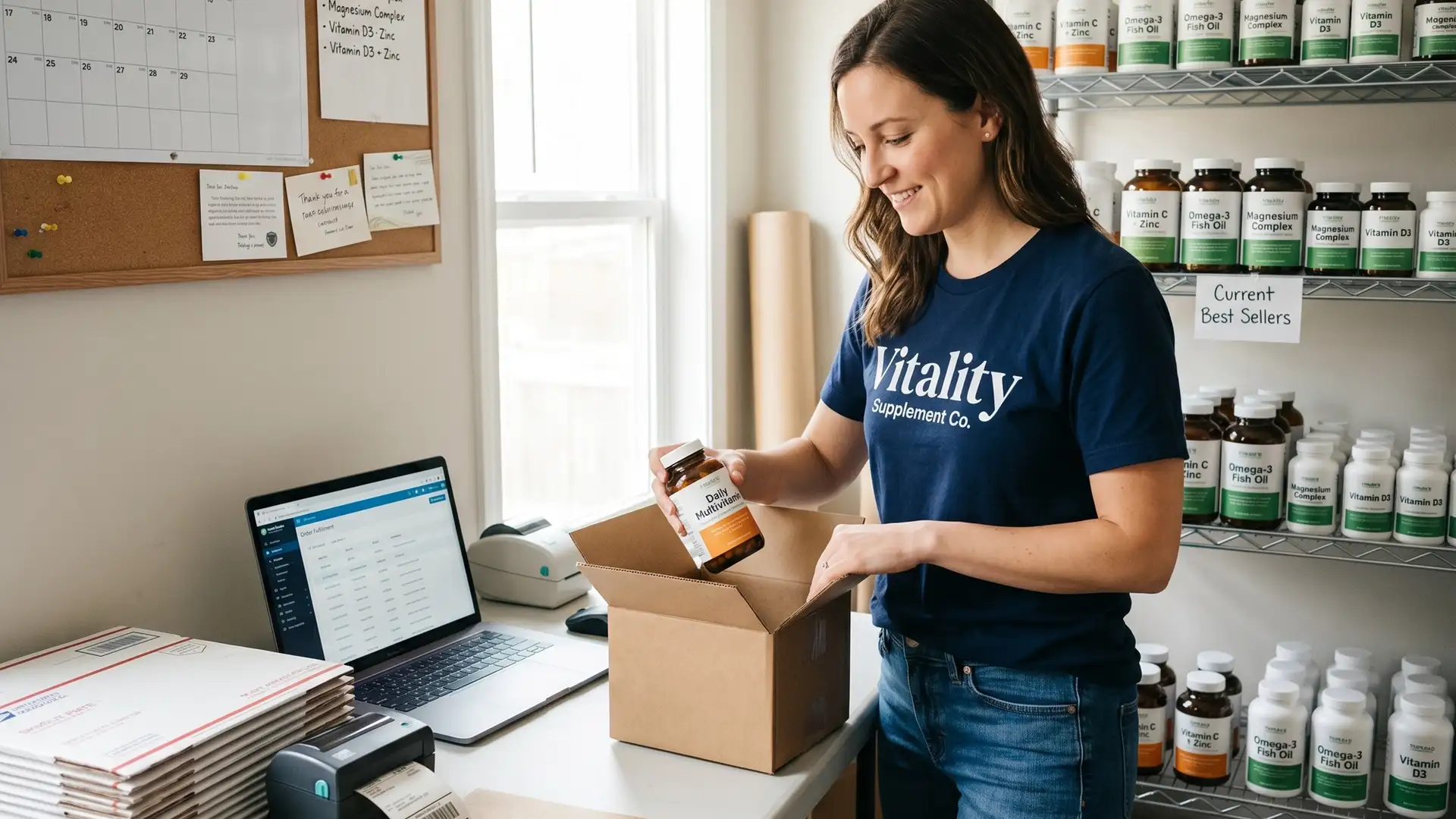
A business owner packing up a vitamin box to sell online
Credit: Adaptiv Payments


Tech Lead at Adaptiv Payments | More
While selling vitamins or supplements online can be an accessible entrance to ecommerce, there is far more to the process than uploading a product photo and turning on checkout.
To sell supplements online, you'll need to consider products, marketing language, store credibility, shipping, and refunds. Additionally, you'll need to find the right payment system that lowers risk while reducing checkout friction. This beginner-friendly guide will outline the basic steps so that you're prepared to enter the dietary supplement market.
Choose a Vitamins Business Model Before You Build Anything
The business model influences everything about your process. Each model has a different startup cost, timeline, and profit margins. Branding and documentation may also shift based on the type of model you use. Additionally, payment providers assign different levels of risk to certain types of businesses.
Common options include:
- Reselling existing vitamin products with your label
- Private labeling a vitamin line with an existing formula
- Working with a manufacturer to develop a new formula
- Building a niche brand around a defined customer group
Reselling or private labeling has the fastest launch time and lowest upfront costs. Documentation already exists for the product, and payment processors may consider it slightly lower risk. Branding can be challenging, though, as you will be facing competition from more well-developed brands.
A niche brand, such as selling vitamin bundles to a certain demographic, sits in the middle, as you may need to create new formulas. However, branding might be easier, and the payment process may not see it as the highest risk.
Developing a new formula with a manufacturer has higher upfront costs and a longer launch time. You will need to ensure precise documentation of each step in the process. Branding based on a specific issue area can help you stand out, but payment providers may be reluctant to work with you.
Pick Vitamin Products You Can Describe Clearly and Sell Credibly
Starting with a concise, understandable product catalog lets you scale as you go, whereas having too many SKUs to manage can quickly become unmanageable. Smaller ranges reduce overhead and time spent on product descriptions, troubleshooting, customer service, and fulfillment.
Products with a simple purpose and familiar ingredients, like Vitamin D pills, are more beginner-friendly. They provide a straightforward dosage format and an easy-to-understand audience. You will not need to carefully explain what the product is for or who needs to use it.
Because simple products are easy to source and readily available, you will be able to identify a standard price range without conducting exhaustive market research.
Position Vitamins Without Making Risky Claims
While you do not need FDA approval or a license to sell vitamins or supplements, you must ensure that your product descriptions and advertising align with regulations. Avoid disease-treatment claims, such as saying your supplement can cure skin conditions. Instead, you can say that your products support healthy skin and nails.
Avoid overly dramatic results language, such as stating that a product can help someone lose 10 pounds in a week. Restrained benefits language not only prevents legal issues, but it also performs better over time because users can see results that match their original expectations.
The tone of your copy should also match the type of product you are selling. Consider what your target demographic is and what type of language appeals to them.
Consulting a legal expert may help ensure you do not make unwarranted health claims that could lead to advertising challenges.
Establish Your Platform
There is a range of different platform options, and each one has its own rules and restrictions. The easiest place to build a brand may not always be the easiest one to be approved for payments. Platforms also change their terms of service, which can lead to unexpected account shutdowns.
- Your Own Website: This is the best and safest option, as you have control over all the language and terms. There is no concern about sudden platform removals or delistings. You can use a separate payment processor that seamlessly integrates with your website.
- Shopify-Based Stores: While supplement sales on Shopify are allowed, certain products may face greater scrutiny or additional reviews. Shopify Payments also has its own restrictions and may limit your access to payment processing if you provide certain high-risk products.
- Social Channels With Product Restrictions: Vitamin sales on Facebook Marketplace are difficult because the platform has strict limits on ingestible products, though you can advertise your products through Facebook Ads with minimal issues. Other social media platforms may have similar restrictions.
Build a Vitamin Store That Looks Trustworthy From the Start
When starting an online supplement store, trust and credibility are essential signals. Customers want to know that they are receiving safe, high-quality supplements that help them reach their dietary goals.
First, consistent branding ensures that your brand is easily recognizable and there are no concerns about counterfeit products. Choose color palettes, fonts, and images that will appeal to your target audience.
Your product titles should be clear, and all labels should include full ingredient and serving information. Each product page should feel complete, not vague.
Customers may have questions even about standard products, which is why FAQs are helpful. Ensure that they use simple, direct language and cover obvious questions.
Lastly, your policy information is another reputation signal. Provide visible shipping and refund pages with easy-to-find contact details. Let customers get in touch with customer service through forms or chatbots.
These website components don't just improve conversion; they also reassure your customers that you are a credible, stable company that addresses their needs.
Handle Shipping, Fulfillment, and Customer Support Before You Launch

Shipping facility for an ecom vitamin business
Credit: Adaptiv Payments
Your operations directly impact the customer experience. Slow or confusing fulfillment policies can lead to negative reviews, disputes, and chargebacks, damaging your reputation. Things you will need to consider include:
- Storage and Shipment: Decide on your shipping address and whether you need a warehouse.
- Lead Times: Do not overpromise on when shipments can arrive; create a realistic timeline to avoid customer complaints.
- Damaged, Delayed, or Lost Shipments: Explain what proof you need to provide refunds for damaged goods. Shipment tracking and proactive communication can reduce disputes about delays.
- Support Questions: Provide FAQs for dosages, whether to take with food on an empty stomach, side effects, and realistic timelines for results.
- Repeat Orders and Subscription Fulfillment: These require securely saving customer bank information, careful inventory management, and billing reminders to avoid disputes about unknown charges.
Understand Payment Setup
Thinking about your payment plan early can prevent significant frustration later, as it is one of the most important aspects of your business model. Choosing the right merchant accounts for businesses selling supplements impacts your cash flow, overhead, and banking relationships.
Not every processor treats vitamin businesses the same way. Your product types, claims, and business model may affect whether you are approved for a payment processor. Clear site policies and transparent product pages can help you get approved, but certain ingredients can make it harder to get merchant account approval for nutraceuticals.
Subscription billing models also affect approvals, as they can increase your chargeback ratio if customers don't recognize the charge. You'll need a processor who is familiar with this business model and can help you navigate recurring billing setup.
Prevent Disputes and Chargebacks Early
Dispute resolution and chargeback prevention are critical for any high-risk industry, but especially in the vitamin and supplement space.
Disputes are often due to misunderstandings rather than bad intent on either side. Customers may not recognize a charge due to a vague billing descriptor, leading to a dispute even though they received the product. With subscription merchant accounts, customers may have thought they canceled but didn't, leading to a chargeback.
You should strive to reduce pre-purchase confusion so fewer buyers feel misled. Ensure your product descriptions are precise and will match what customers receive. Show refund policies, such as no returns for open products, before checkout. If you have subscriptions, ensure customers know when they will be charged and how much they will be charged.
Keep your billing terms easy to understand, including any fees or taxes. Your billing descriptors should include your company name and a short summary of the product provided. Respond quickly to questions, such as by using a chatbot to funnel customer concerns.
How Adaptiv Payments Can Help Businesses Selling Vitamins Online
Adaptiv Payments specializes in merchant accounts for businesses selling high-risk products. Our thorough underwriting process can prevent sudden account termination, as we are well-versed in your business model and processing history before approving the account.
We offer PCI-DSS-compliant payment gateways and processing services that keep sensitive data safe throughout the transaction. Real-time fraud monitoring and chargeback mitigation protect your banking relationships while ensuring quality customer service.
If you're ready to get started selling supplements, we can help. Contact us today for a free quote and learn how we support business growth.
