Can You Sell Supplements on Shopify?
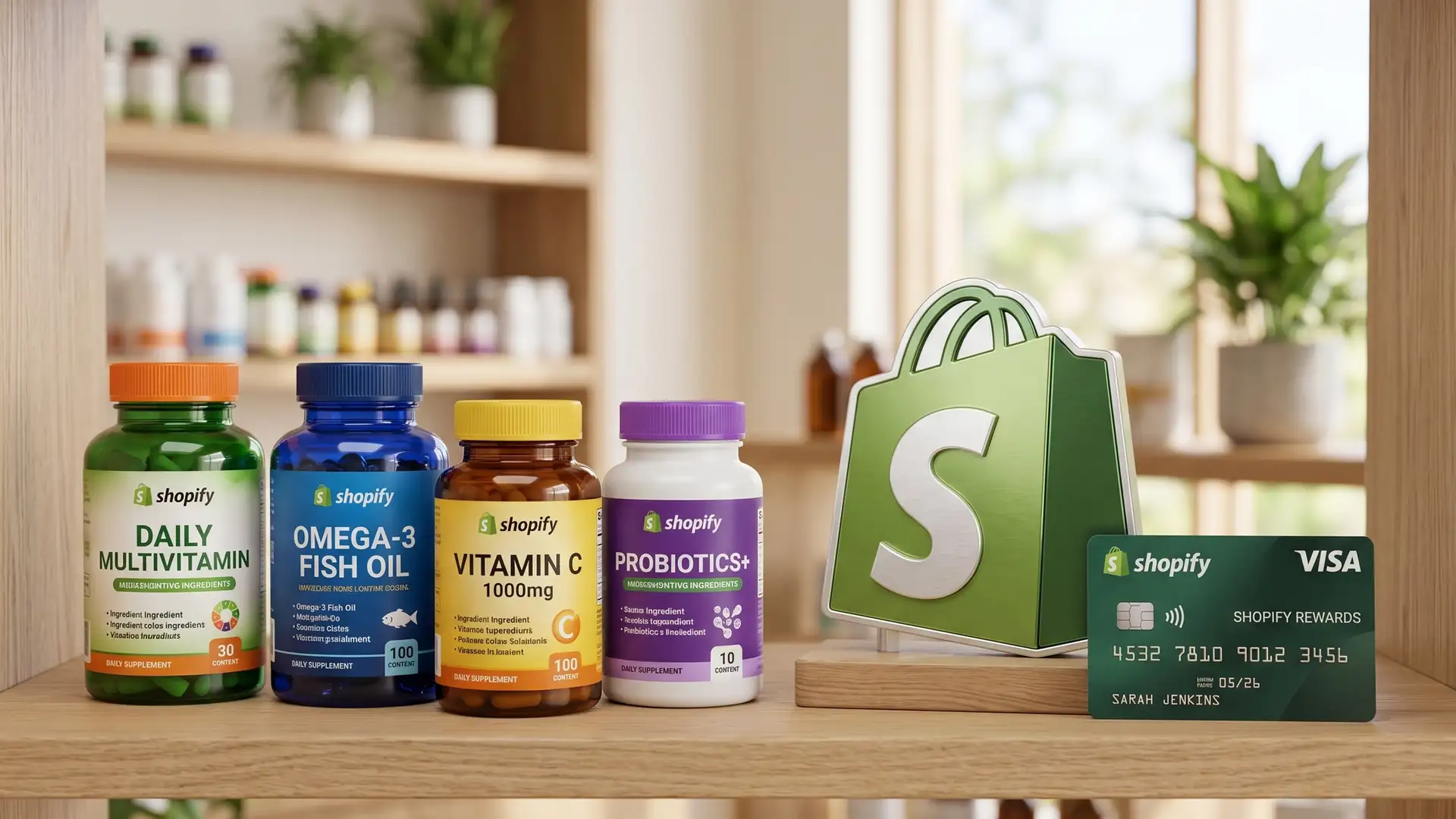
3d rendered vitamin bottles and the shopify logo with a credit card
Credit: Adaptiv Payments


Director of Sales at Adaptiv Payments | More
Yes, it is possible to sell supplements on Shopify. However, not all products will qualify for the platform. Your specific supplement products, health claims, and payment structure must meet Shopify's regulatory compliance rules.
This popular e-commerce platform has layers of services, some of which may not be available for all merchants. Setting up a Shopify store is only one aspect of how to sell supplements online. Adaptiv Payments is here to help you with the other half: ensuring your merchant account is protected against payment holds, sudden restrictions, or forced processor changes.
Our underwritten accounts are designed for high-risk products like supplements, providing an all-in-one option of a merchant account, payment gateway, and processor.
Shopify vs Shopify Payments
There is a significant difference between using Shopify to run the storefront and using Shopify Payments at checkout. While the two are interconnected, they have different product compliance standards.
Supplement sellers can receive Shopify platform access without having to undergo the automated underwriting process for payment approval. To sell supplements on Shopify, a merchant only needs to show that their products are legal to sell in the United States according to the terms of service. In fact, there are specialized Shopify themes for supplement businesses and other nutraceuticals, meant to ease the process of starting your business.
However, being approved for Shopify Payments depends on risk profile, product presentation, and overall business model. The automated underwriting means that supplement stores often face limits, reviews, friction, and abrupt account terminations.
This is why many small to medium-sized businesses use merchant accounts for supplement businesses, which are manually underwritten and clearly assess the company's risk profile. Because all potential friction points are identified at the start, merchants are less likely to face payment friction and can instead focus on their store's functionality and brand reputation.
What Types of Dietary Supplement Online Stores Tend to Run Into Problems?
Supplement merchants are often considered high-risk businesses because of high chargeback rates and frequent disputes. However, some are more likely to run into issues with Shopify or other commerce platforms, depending on business model, marketing, and product quality.
All products must align with federal law, including the Dietary Supplement Health and Education Act of 1994. Your products must be manufactured by a licensed facility that follows best practices. Borderline or scrutinized ingestibles, like blending CBD with amino acids, may also cause issues.
Health claims are often the largest stumbling block for supplement merchants. Aggressive or unverified health claims may lead to issues and closer scrutiny. For example, FDA regulations do not allow supplements to claim they diagnose, treat, cure, or prevent any disease, including conditions like insomnia.
Other issues arise based on your website and terms of service. Vague product descriptions without full ingredient lists or Certificates of Analysis may lead to account suspensions. You cannot use unsupported testimonies from unverified accounts.
Poorly written or weak policy pages that don't provide exact terms can also lead to challenges. Subscription, rebill, or refund terms must be clear and direct, including which products can be returned and the refund window.
Lastly, your store presentation matters as well. High-pressure tactics such as countdown timers, bait-and-switch sales language, or confusing bundling options may violate advertising regulations and pose challenges.
Some of these issues can be resolved through stricter compliance measures, such as providing Certificates of Analysis and a more user-friendly policy format. Other business models may not adhere to legal requirements, making alternative payment processors a more attractive option.
Shopify vs Other Platforms
Shopify lets you open a supplement business on the platform, but you may not be able to use its integrated payments platform. This is similar to other sites that have restrictions in certain areas but not others. For example, it's difficult to sell vitamins on Facebook Marketplace, but you can boost your store's visibility through Facebook ads.
WooCommerce notes that you can sell supplements on the platform, but cannot make any unsubstantiated claims. Like Shopify's terms of service, certain sectors of the supplement industry may be labeled as "pseudo-pharmaceuticals" if they use particular ingredients or formulations meant to mimic medication.
PayPal, another large-scale payment processor, also carefully restricts supplement sales through its Acceptable Use Policy, but does not outright ban them.
While Amazon allows supplement sales, they also strictly control quality and require additional information about your product, such as third-party testing and Certificates of Analysis, to protect their reputation.
These terms of service are subject to change at any time, making the supplement market particularly vulnerable to sudden restrictions or account terminations.
When a Third-Party Payment Gateway and Processor Makes More Sense

3d rendering of a credit card, a plus icon, and a pill capsule side by side
Credit: Adaptiv Payments
Many supplement businesses choose to use Shopify for their storefront, then rely on specialized high-risk merchant accounts for businesses selling on Shopify. This offers the benefits of high visibility without the heightened risk of sudden account termination. To determine whether a separate merchant account is best suited for your needs, consider the following scenarios.
- Higher-Risk Supplement Profile: New formulations, such as those working with experimental amino acids or understudied botanicals, will face extra scrutiny. Products meant to improve sexual wellness are also considered high-risk and may not be approved by mainstream payment processors.
- Underwriting Needs: Some merchants prefer a payment setup that is built for tighter underwriting because of the additional security that an underwritten account requires. Shopify, like WooCommerce and PayPal, uses an automated underwriting that may lead to sudden terminations, which is not as common an issue for manually underwritten accounts.
- Subscription Billing: Specialized payment processing for subscription-model businesses can handle the inventory management, recurring billing, and customer communication necessary to sell supplement subscriptions. This is possible with Shopify, but it may be more challenging and require closer management.
- Claims Profile or Product Positioning: Certain sectors of the CPG industry toe the line between dietary supplement and pharmaceutical. There may be genuine medical evidence for their use to manage chronic conditions, but they have not been verified by the FDA to treat or cure a specific disease. Berberine, commonly used in weight loss dietary supplements, is one of these cases, but there are others. The types of claims made in supplement marketing may make certain products riskier.
- More Category-Aware Partnership: High-risk accounts are helpful for newer dietary supplement companies that need a true partnership with their processor. Industry experts can provide guidance on web integrations, quality control, and what to look for in a private label manufacturer.
Storefront decisions and payment decisions are not always the same; in fact, separating the two can provide more control and sustainable business growth. Adaptiv Payments' products integrate seamlessly with most ecommerce platforms, enabling supplement businesses to enjoy multiple revenue streams and greater visibility.
Adaptiv Payments – Complete High-Risk Merchant E-Solutions
Adptiv Payments offers specialized payment processing solutions for businesses selling high-risk products, using a thorough underwriting process that assesses potential risks before approval. This process prevents costly waiting periods and sudden payment instability that can disrupt business processes.
Our industry experts understand the unique challenges of supplement online stores and are here to offer personalized advice at each step of the process. Transparent pricing and terms, tailored to your specific risk profile, enable consistent cash flow.
Next-level, PCI-DSS-compliant encryption keeps you and your customers safe during transactions, while real-time fraud monitoring alerts you to suspicious transactions before they are ever approved. We also offer comprehensive chargeback mitigation to protect your banking relationships while ensuring great customer service.
We understand that many supplement businesses ship internationally or work with a global team. With multi-currency support, we make it easier than ever to manage your international payments while saving on transaction fees.
Contact us today to learn more about how we help supplement merchants thrive in this expanding, competitive niche.
FAQs
Yes, you should perform research before setting up an online supplement store. This is a competitive market, and you must tailor your offerings to attract your target audience.
No, supplements do not need to be approved by the FDA, though they must adhere to specific guidelines around product safety and marketing claims. You also do not need a license to sell vitamins and supplements, but your manufacturer must be licensed and use Current Good Manufacturing Practices (CGMP).
Strong marketing materials and correct audience targeting are important considerations when you decide to sell vitamins online. Having a memorable brand based on a specific message, like gut health for fitness enthusiasts, can be more effective than standard Vitamin D supplements or protein powders that are not fully differentiated from more well-established competitors.
Careful ingredient verification, claims based on scientific evidence, and transparent policies will build customer trust. Never try to mislead consumers in your content marketing, and use email marketing to offer helpful tips about usage instructions or health benefits. Clear refund policies, autoship reminders for repeat purchases, and good customer service are also crucial.
