Visa Chargeback Monitoring Program Threshold Guide for 2026
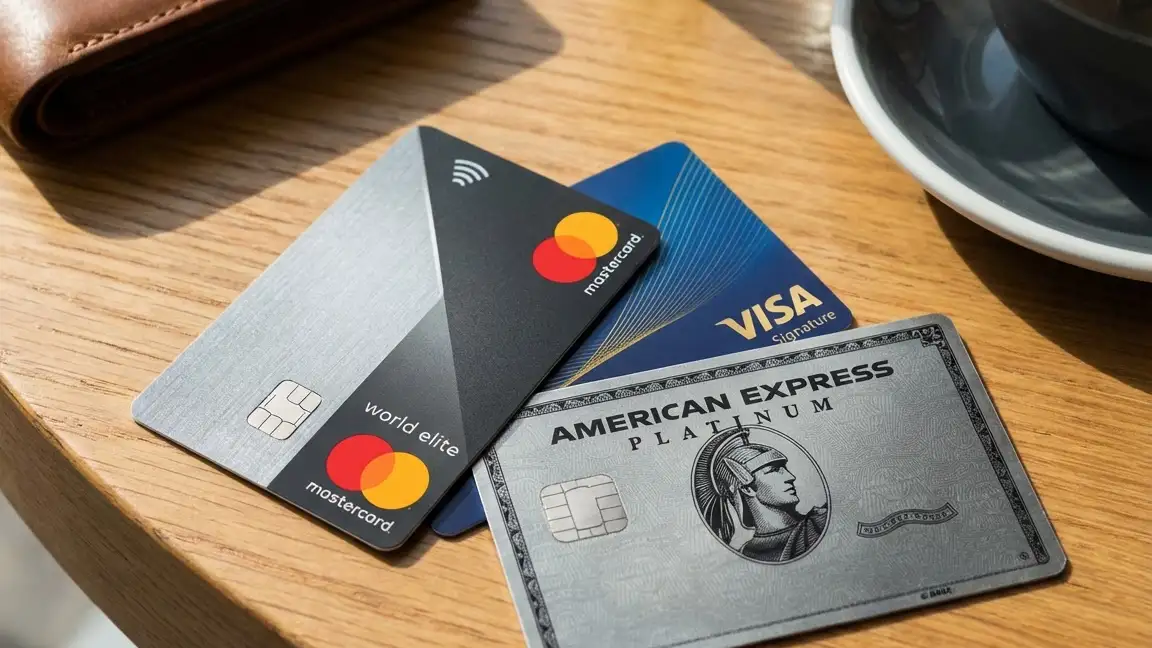
Image showing a Mastercard, Visa, and American Express credit card.
Credit: Adaptiv Payments


Tech Lead at Adaptiv Payments | More
These days, even credit card companies have their limits. After years of pushing chargeback thresholds and handing out high dispute ratios like candy, Visa has set a definitive threshold for combined account metrics that could indicate risk like excessive chargebacks, fraudulent card-not-present (CNP) transactions, and enumeration attacks.
The name? Visa Acquirer Monitoring Program or VAMP. It's a comprehensive risk assessment mechanism that surveys acquiring bank history to find potential risks, the most imperative being your chargeback ratio. By knowing these risks, Visa helps merchants keep fraud out and their payment processing systems safe.
This heightened focus on chargebacks doesn't come without reason.
In 2025, more than 13% of merchants globally experienced chargeback rates of 2% or higher. While these numbers, of course, vary by industry, location, and payment type, there's a bottom line that banks and acquirers can't seem to get past: elevated risk.
If you're a merchant struggling to implement a strong chargeback management initiative, no matter what you've tried, Visa's standardized VAMP program might at least help you create an early warning threshold.
As a leading processor for high-risk merchants, our Adaptiv Payments 2026 Visa Chargeback Monitoring Threshold Guide breaks down the intricacies of Visa's new program.
What Is VAMP?

Person inputting their credit card information into a website.
Credit: Adaptiv Payments
Visa's VAMP was designed to promote growth through heavy surveillance, not shame companies that deal with alarming fraud ratios or heightened dispute counts. By taking a closer look at key parameters like fraud thresholds, companies can implement strategies for change that actually work (VAMP being an indicator of these risks).
VAMP tallies up your company's fraud and dispute history against your total number of transactions, creating a comprehensive image of your risk profile. This information is not only essential for merchants, but key for banks and processors wanting to work with them.
It's important to note that this system counts fraud attempts resulting in chargebacks as a double offense. This happens because VAMP combines both initial fraud reports (TC40) and final chargeback disputes (TC15) in the same formula. After compiling your chargeback count, the program ends with a complete VAMP ratio, or the number of disputes plus fraud attempts divided by settled transactions.
To reiterate, VAMP's official ratio combines:
- Monthly Count of Fraudulent CNP Transactions (TC40)
- Monthly Count of Disputed CNP Transactions (TC15)
- Monthly Count of Total Settled CNP Transactions
How It Affects Your Merchant Account
At the start of 2026, Visa implemented a new threshold aimed at flagging accounts with 'excessive' chargeback rates. A VAMP ratio at or above 1.5% (down from 2.2% before April 1, 2026) automatically puts your account in the red zone, a distinction both your bank and your processor will not take lightly.
And in April 2026, this limit dropped to 1.5%, giving businesses that deal with elevated customer disputes some room to breathe. By simply understanding your risks, you're putting your account in a better place to be accepted by banks and processors alike, as well as placing your business in good standing.
Merchant vs. Acquirer Thresholds

Person pushing the chargeback button on their keyboard.
Credit: Adaptiv Payments
Acquirer is in the name. The Visa Acquirer Monitoring Program not only scrutinizes individual risk, but also assesses how future acquirers might view your risk benchmarks. Even with a high number of rapid dispute resolutions, processors and banks are still entitled to look at these numbers with haste.
The reason VAMP breaks up thresholds by the account holder (acquirer or merchant) is because these entities are inevitably linked. Too many fraud-related chargebacks can take down both a merchant and the acquirer supporting them.
Merchant Threshold
The current 2026 chargeback threshold for merchants under VAMP is 1.5%, dropped from 2.2% on April 1, 2026. Get hit with VAMP's excessive label, and a merchant (as well as their accompanying acquirer) risks being hit with costly fees. The current ratio is a smaller threshold compared to that of 2025 (≥2.2%), something Visa rolled out to try and encourage tighter restrictions.
Merchants who display an excessive amount of the following risk factors are commonly hit with VAMP penalties:
- Exceed VAMP Ratio
- Display High Fraud & High Dispute Counts in CNP Transactions
- Include Unclear or Shifty Billing Policies (Free Trials With Weak Disclosures)
Acquirer Threshold
While merchants are judged on real-time events, acquirers receive scrutiny for their overall merchant portfolio. Visa's Dispute Monitoring Program asks questions of them like:
- How have you handled accounts with excessive chargeback thresholds?
- Have you exceeded pay-per-event fine thresholds?
- Do your merchants display fraudulent or disputed transactions regularly?
If VAMP finds any of these answers to be less than satisfactory, the acquirer's portfolio is in danger of more costly fees, a remediation plan, or a strict advisory period with check-ins on a monthly basis. VAMP's red strike costs acquirers much more than hefty fines, even if their thresholds are higher than merchants.
Fines vary by penalty type and quantity. Here’s a quick breakdown of VAMP’s penalty or violation policies:
- Above Standard Penalties (0.5%–0.7% ratio): $4 per penalty
- Excessive Penalties (>0.7% ratio): $8 per dispute
Key Dates
In April 2025, Visa launched the first VAMP rollout. Here, initial thresholds (focused on chargeback activity) were created, but penalties were not yet enforced.
Then, in June of the same year, the thresholds took effect. Businesses quickly realized that they couldn't get away with being lazy about numbers as Visa began taking note of every false charge, fraud attempt, and increased processing fee.
Soon enough, October came by, and each penalty, fine, and threshold limit was pushed out in full effect. And if initially flagged, merchants were required to undergo a VAMP-initiated remediation plan, sometimes incorporating a grace period.
How To Combat Risk (Even Before Disputes Appear)
VAMP is a silent tyrant. It strikes before you even feel the disputes piling up. Even with a processor that catches those small-but-mighty flags to help you combat risk, the challenges still arise.
The best way to avoid risk? Know. Your. Weaknesses.
Before disputes start to rear their ugly head, take note of what's happening on, within, and around your business. Compile a clear list of common issues, whether that be a large number of fraudulent chargebacks or a few too many abnormal growth spikes that might read as “fishy.”
Beginners, experts, or somewhere in between, all high-risk businesses can benefit from keeping tabs on these common VAMP risk markers:
- Excessive Chargebacks
- High Fraud Ratios
- Dispute-To-Transaction Volume
- Rapid Growth or Abnormal Spikes (Growth, Sales, Users)
- High-Risk Business Behavior (Unusual Activity, Enumeration Attacks)
In most cases, these red flags mean more for your business than they do for more watchful eyes. Look at a specified time period in which these actions occurred. Maybe they'll show a hole in your design or security where users are taking advantage, or maybe there's a fatal flaw in your subscription model that allows customers to dispute charges more easily.
Use your processing partner’s surveying process, like Adaptiv Payments’, to make real change — change that VAMP will recognize as a reason to let you keep operating.
Final Thoughts
While it may feel like the odds are stacked against you, you can avoid being flagged under Visa's strict VAMP guidelines, even with its many 2026 upgrades. All you need to do is understand why, how, and when VAMP will take fine assessments of your business, and use this real-time information to act accordingly.
If you run a high-risk business under one of the common specialized industries VAMP regulates (firearms, CBD, dating apps), you'll need to tighten up your payment platform to fall in line. Other card networks might implement strict regulations for payment processing, but none fiercely uphold these standards quite like Visa.
Your first move in avoiding risk? Understand that VAMP's process isn't about punishing merchants, but giving them clear tools to remain low risk in the eyes of banks, processors, and industry peers alike.
How Adaptiv Payments Can Help Your Business Stay Compliant With VAMP Requirements

Image showing a credit cards in a pile.
Credit: Adaptiv Payments
Think of a payment processor as your risk companion. With specialized knowledge and years of industry experience, a decent provider can heavily increase your chances of staying VAMP-compliant. Adaptiv Payments is a leading processor in this regard.
We offer merchants clear ways to manage risk with built-in tools that flag and combat digital fraud. Think excessive chargeback alerts and instant notifications when fraud ratios get too high
No longer will you have to wait to make these changes. At Adaptiv Payments, our processing experts remain online to give you helpful advice on where to go next. From design changes to clearer platform messaging, Adaptiv Payments is here to keep your risk at bay.
Keep compliance evergreen by applying for a high-risk account with Adaptiv Payments.
