How to Get a License to Sell CBD Products
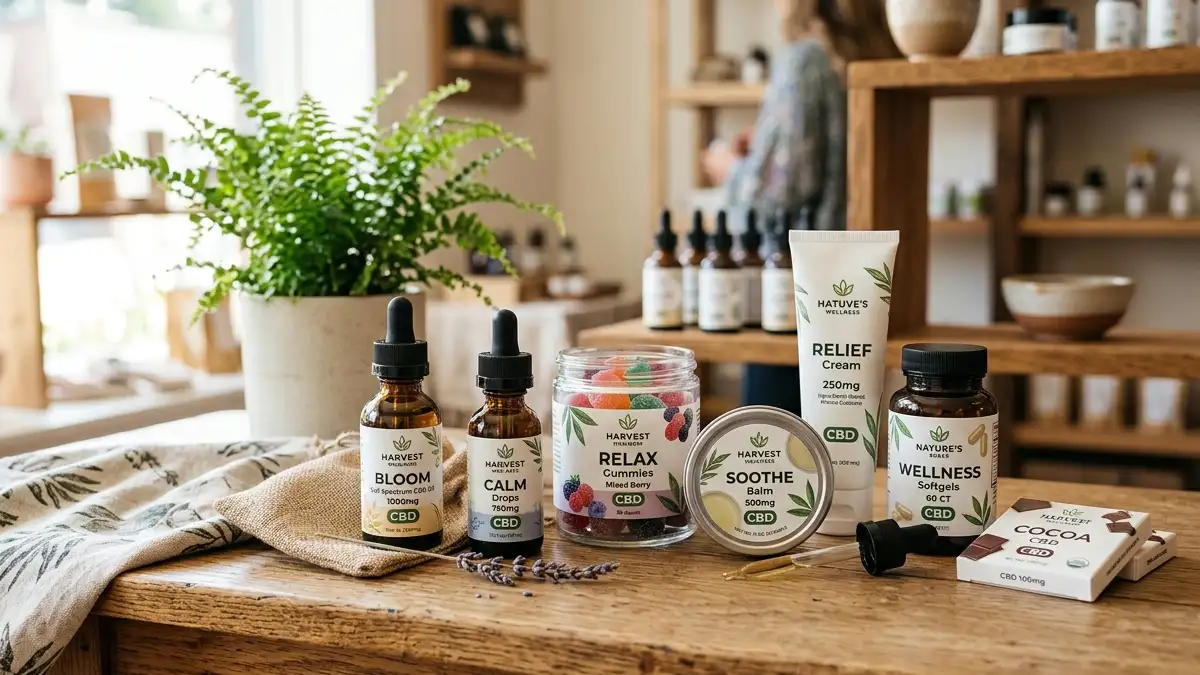
An assortment of CBD products on a wooden table
Credit: Adaptiv Payments


Tech Lead at Adaptiv Payments | More
How to Get a License to Sell CBD Products
There is no federal cannabinoid hemp retail license, as local and state regulations vary significantly across the country. CBD retailers must be familiar with their local requirements and apply for the appropriate business license in their area.
You must ensure compliance with all local guidelines to avoid expensive legal fines, business closures, and reputational issues. Additionally, a license is necessary if you want to begin processing payments and develop your revenue.
What Is a CBD License?
A CBD license allows you to legally sell cannabinoid hemp products either in a physical store or an online store. Every state has a different licensing process. Some only require a general business license so that you can collect sales tax, while others have a specific license for CBD merchants.
Why You Need a License Before You Start CBD Sales
You need a license to legally sell cannabis or hemp-derived products, as failing to secure this license could lead to fines or business closure. A cannabinoid hemp retail license will also help:
- Comply With Federal and State Laws: The federal government has left much of cannabis management to states, making it essential that you maintain compliance with your state's rules.
- Establish Your Reputation: Consumers want to know that they can trust your products before they purchase anything.
- Sell in Retail Locations: If you produce CBD products, retailers will want to know that you provide safe products.
- Access Payment Processors: Most processors will not approve you for an account if you cannot show compliance with state rules, including business registration and Certificates of Analysis.
The CBD Licensing Process
Understand Federal Regulations: The 2018 Farm Bill
The 2018 Farm Bill was a landmark piece of legislation for the CBD industry, as it removed hemp-derived products from the Controlled Substances Act. This law applies to hemp products with no more than 0.3% delta-9 THC. Congress changed that definition in November 2025: from December 11, 2026, hemp is measured by total THC, including THCA, and finished products are capped at 0.4 mg of total THC per container.
With the Farm Bill, the federal government moved regulatory authority for cannabinoid hemp retail licenses to the states. Each state has different regulations; some allow CBD with more than 0.3% THC for everyone, while others require a medical marijuana card for anything above the federal limit. It's crucial to consult with a local hemp retail expert who can guide you through the intricacies of state and local guidelines so that you can ensure compliance.
Establish the Type of CBD License You Need
Before selling hemp-derived CBD products, you'll need to know what type of license is appropriate for your business purposes. These are the primary types of licenses available and what they are used for.
| Business Model | Type of License | Primary Challenges |
|---|---|---|
| Retail | State hemp retail license and zoning approval | Physical inspection of premises and age verification |
| Wholesale, Manufacturing, or Distributor | State distributor or processor permit | Must track supply chain and bulk test batches |
| Online Sales | State retail license and age verification | Restrictions on digital advertising and shipping compliance |
| Pop-up Shop | Temporary Retailer Permit | Must have an appropriate seller's permit and age verification |
Understand State Licensing Requirements and Local Laws
The legal landscape around cannabis and industrial hemp is complex, as the federal government has left it up to states to regulate the CBD industry.
Some states have specialized licensing and regulatory bodies that control both cannabis and hemp-derived CBD products, like the California Department of Cannabis Control, the Texas Department of State Health Services, or the New York State Office of Cannabinoid Management.
These states require a specific retail license for CBD businesses, and the state's department will also confirm the cannabinoid content of products for sale.
Other states only require you to have a legal business entity, like an LLC, before you can start selling. They may have a separate department that ensures compliance with state laws around labeling, packaging, THC content, and advertising to consumers.
Establish Your Business Structure and Obtain a Sales Tax Permit
You will need to register as a legal entity with your state's business registration department and obtain a tax permit before you can secure a CBD license. There are several business entity structures to choose from, depending on your goals:
- Sole Proprietorship: If you are the only legal business owner and do not have employees, a sole proprietorship is easy to establish and would not require a separate tax filing. However, it also exposes you to risk because you could lose personal assets if there are legal issues.
- Limited Liability Corporation (LLC): This is suitable for smaller businesses, as it protects your personal assets and allows you flexibility in how you file taxes.
- Corporation: Larger businesses with multiple employees and significant investment will benefit from a corporate structure, as it offers tax breaks.
You will also need to secure an Employer Identification Number (EIN) from the IRS and register to collect sales tax from your state's Department of Revenue.
COA, Product Testing, and Labeling
Cannabinoid hemp products must have no more than 0.3% delta-9 THC by dry weight until December 11, 2026, and no more than 0.4 mg of total THC per container after that, or they may be illegal in your state. From December 11, 2026, the federal limit becomes 0.4 mg of total THC per container. They also must be free from contaminants like heavy metals, pesticides, or industrial solvents.
Batch testing is another essential aspect of selling CBD. Each batch you sell must be tested by a third party with a Certificate of Analysis that proves its chemical content. These must be kept on file, and they may also have to be on product packaging or your website. Failing to test a batch will automatically mean that it is not eligible for sale. Check that your third-party lab is approved to perform CBD testing and has the appropriate accreditations.
Some merchants choose to place a QR code on labels that allow customers to immediately check the COA without having to request it from you.
Lastly, labeling reassures customers that your products are safe. Labeling requirements typically include:
- THC content
- Ingredients list, including the hemp-derived ingredients
- FDA disclaimers, such as "Not intended to diagnose, treat, cure, or prevent any disease"
- Usage instructions and warnings
Submit Your Application for a Cannabinoid Hemp Retail License
As with state regulations, the application process differs by state. For states that have a specialized CBD license, you will have to submit an application package and pay an application fee. These can range from just $100 to over $5,000, depending on the state and the size of your business.
The application package will require specific information, including:
- Name and contact information
- Business address, including lease agreement or proof of property ownership
- Comprehensive business plan with operating model and business structure
- Proof of business insurance
- Product descriptions and third-party Certificates of Analysis showing the THC content
Lastly, many states require a background check to show that you do not have a history of violations and are in good standing. Having all of this available will ease the process and help you get started faster.
With these in hand, you can pay the license fee for your state's CBD license and secure a high-risk merchant account.
Pay the CBD License Fee
Licensing varies significantly depending on your state. Some only require a general business license, while others require both a business and a CBD retail license. In some cases, the regulatory body for CBD does not provide the license, while in others, it is the same agency.
Check your state's requirements and talk to others in the industry for more information about local regulations.
Common Challenges in the Consumable Hemp Products Retail Permit Application Process
Compliance is crucial, no matter what state you are in. Not only are there federal regulations, but also local licenses and state guidelines to consider. Getting familiar with your state's hemp industry can help you avoid many of these challenges.
Incomplete Application Forms
Different states have different licenses depending on what type of CBD products you are selling and what part of the industry you are in. You may require a manufacturer, distributor, or retail license, or you may require all of these, depending on what types of products you sell.
Ensure that you provide all documentation requested on the application, including COAs for all product batches and full product descriptions. Many states have strict limits on how many CBD licenses they provide, or they may have specific time periods in which you can submit an application. Ignoring these or submitting an incomplete form may mean you have to wait months or even years to start your business.
Disregarding Retail Location Zoning Laws
Local governments have restricted where CBD products can be sold through smoke shop laws and other zoning restrictions. A common one is "buffer zones" of 500 to 1,000 feet around playgrounds, churches, schools, and libraries.
Some areas have also limited the density of smoke shops and CBD retailers, such as a two-mile separation between retailers that devote 20% or more of their shelf space to these products. You may be restricted to commercial or industrial zones depending on your business model, which prevents sellers from running home-based CBD businesses.
Failing to check these before you buy or lease a property can mean your application is denied, or you have to break your lease, resulting in expensive termination fees.
Inaccurate or Misleading Labels
Compliance with labeling regulations is essential to avoid fines, business closures, or even lawsuits from unhappy customers.
Every product should have a Certificate of Analysis from a trusted third-party laboratory, with accurate THC content and proof that it is not contaminated with pesticides or heavy metals. You should clearly state all the ingredients, including hemp-derived elements and any flavorings.
You cannot claim that your product cures or treats any disease, in compliance with FDA regulations. This includes stating that the product will reduce anxiety or alleviate insomnia, which are common areas where merchants may overstate product benefits.
Improper Payment Processors
The merchant account is very different for CBD products than for other industries. CBD is considered a high-risk industry because of potential fraud, regulatory scrutiny, and high chargeback rates. Many of the largest processors will not work with this industry.
Stripe and PayPal both prohibit CBD sales, as they consider it drug-related. Square used to allow CBD through a separate program, but it is ending CBD and hemp sales, and sellers must remove those products by October 15, 2026.
Fortunately, getting approved for a CBD merchant account is getting easier over time. Adaptiv Payments provides high-risk merchant accounts for a range of industries, including CBD merchants.
How Adaptiv Payments Can Help
Choosing a CBD payment processor is a critical business decision, as it protects your cash flow and ensures a smooth payment experience for your customers. Whether you want to start selling CBD online or open up a brick-and-mortar business, Adaptiv Payments offers safe, reliable, and affordable payment processing for businesses in high-risk industries.
We provide a streamlined application process that prioritizes your business's potential while adhering to local regulations. Our team of industry professionals understands the unique needs of CBD businesses and will provide comprehensive support, both during your application process and throughout your time working with us.
CBD customers don't just want great products; they also want a simple and stress-free payment experience. With our online payment gateways and POS systems, we allow your clients to pay their way. We make it easy to accept traditional credit cards, PIN-debit, gift cards, EBT, and e-checks, all with low transaction fees and fast funding times.
If you're ready to join this exciting industry, we can help. Our industry experts can guide you through every step of the process, from submitting your application to getting funded and setting up your payment portal.
Contact us today for a free consultation and learn more about the Adaptiv difference.
