How to Legally Sell Cannabis
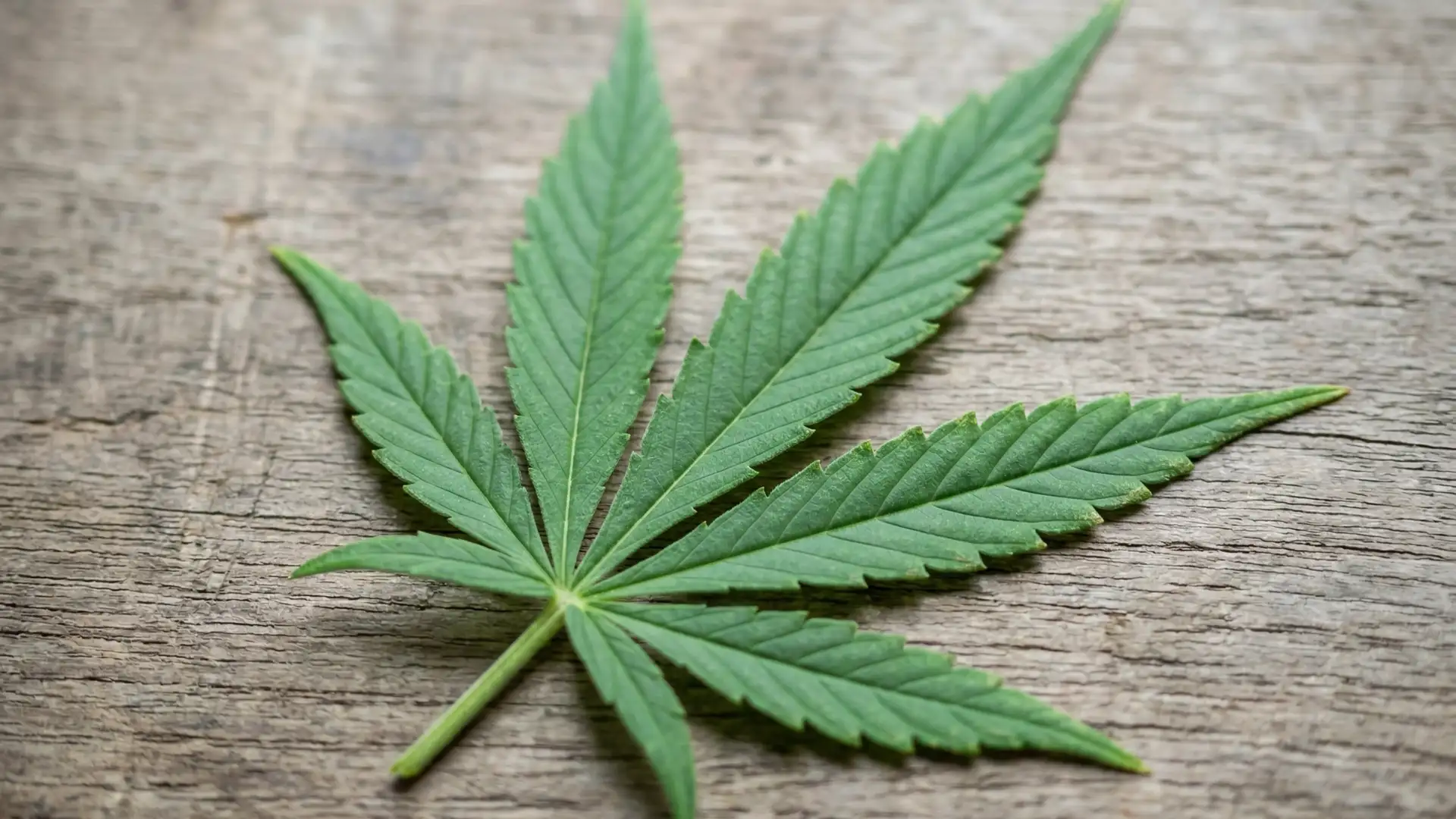
A cannabis leaf on a wooden table
Credit: Adaptiv Payments


Director of Sales at Adaptiv Payments | More
The marijuana industry is heavily regulated at the federal, state, and local levels. While federal regulations govern banking and payment processing, legality depends on your specific jurisdiction.
Dispensary operators and cannabis merchants must know what licenses they need to operate in their state or city to ensure legal compliance and a smooth payment processing experience. This article covers a general overview of what to expect when opening a cannabis business, but you should consider consulting local legal services for specific advice about your area.
Is Selling Cannabis Legal?
Federal Law vs Local Regulations
Cannabis is illegal at the federal level, but most states have legalized medical marijuana, and others allow both recreational and medical use. The cannabis industry remains highly regulated at the state level, and sometimes at the local level. Many states have strict licensing requirements.
Every marijuana business must perform its due diligence on the proper dispensary licenses from its local cannabis control office to ensure it can legally operate both in the city and in the specific business area.
| State | Adult-Use Cannabis Legality | Permitting Authority |
|---|---|---|
| Alabama | Medical use only | Alabama Medical Cannabis Commission |
| Alaska | Recreational and medical | Alcohol & Marijuana Control Office |
| Arizona | Recreational and medical | Arizona Department of Health Services |
| Arkansas | Medical use only | Arkansas Medical Marijuana Commission |
| California | Recreational and medical | Manufactured Cannabis Safety Branch |
| Colorado | Recreational and medical | Colorado Department of Revenue |
| Connecticut | Recreational and medical | Connecticut Department of Consumer Protection |
| Delaware | Recreational and medical | Delaware Public Health Division |
| District of Columbia | Recreational and medical | D.C. Department of Health |
| Florida | Medical use only | The Office of Medical Marijuana Use |
| Georgia | No legal use | Georgia Department of Public Health(Low-THC oil for medical use) |
| Hawaii | Medical use only | Hawaii Department of Health |
| Idaho | No legal use | N/A |
| Illinois | Recreational and medical | Department of Financial and Professional Regulation |
| Indiana | No legal use | Office of the Indiana State Chemistfor agricultural hemp |
| Iowa | Medical use only | Iowa Health and Human Services |
| Kansas | No legal use | N/A |
| Kentucky | Medical use only | Cabinet for Health and Family Services |
| Louisiana | Medical use only | The Louisiana Department of Health |
| Maine | Recreational and medical | Office of Cannabis Policy |
| Maryland | Recreational and medical | Maryland Medical Cannabis Commission |
| Massachusetts | Recreational and medical | Cannabis Control Commission |
| Michigan | Recreational and medical | The Cannabis Regulatory Agency |
| Minnesota | Recreational and medical | Minnesota Office of Cannabis Management |
| Mississippi | Medical use only | Mississippi Medical Cannabis Program |
| Missouri | Recreational and medical | Missouri Department of Health and Senior Services |
| Montana | Recreational and medical | Cannabis Control Division |
| Nevada | Recreational and medical | Cannabis Compliance Board |
| New Hampshire | Medical use only | New Hampshire Department of Health and Human Services |
| New Jersey | Recreational and medical | Cannabis Regulatory Commission |
| New Mexico | Recreational and medical | Cannabis Control CommissionandNew Mexico Department of Health |
| New York | Recreational and medical | Office of Cannabis Management |
| North Carolina | No legal use | N/A |
| North Dakota | Medical use only | Health Department |
| Ohio | Recreational and medical | Medical Marijuana Control Program |
| Oklahoma | Medical use only | Oklahoma Medical Marijuana Authority |
| Oregon | Recreational and medical | Oregon Liquor Control Commission |
| Pennsylvania | Medical use only | Medical Marijuana Program |
| Rhode Island | Recreational and medical | Rhode Island Office of Cannabis Regulation |
| South Carolina | No legal use | N/A |
| South Dakota | Medical use only | South Dakota Department of Health |
| Tennessee | No legal use | Tennessee Department of Agriculturefor Hemp-Derived Cannabinoid Products |
| Texas | Medical use only | Texas Department of Health and Human Services |
| Utah | Medical use only | Utah Department of Agriculture and Food |
| Vermont | Recreational and medical | Vermont Cannabis Control Board |
| Virginia | Recreational and medical | Virginia Cannabis Control Board |
| Washington | Recreational and medical | Washington State Liquor and Cannabis Board |
| West Virginia | Medical use only | Office of Medical Cannabis |
| Wisconsin | No legal use | US Department of Agriculturefor Industrial Hemp Products |
| Wyoming | No legal use | N/A |
| Puerto Rico | Medical use only | Puerto Rico Department of Health |
| US Virgin Islands | Recreational and medical | Office of Cannabis Regulation |
States that allow medical marijuana but not recreational marijuana may have restrictions on how much an individual buyer can purchase at a time. You will have to verify that the customer has a valid medical marijuana license or prescription. These licenses may specify how much the customer can buy and what type.
Additionally, there may be restrictions on what types of products your cannabis business may stock, including edibles, vapes, and oils.
Local jurisdictions may have more restrictive or permissive regulations around marijuana than state legislatures, making it crucial that you check your local laws in addition to state laws.
Hemp-Derived CBD vs Marijuana/THC
State regulations delineate between hemp-derived CBD and marijuana. The federal 2018 Farm Bill legalized hemp-derived cannabinoid products with less than 0.3% delta-9 THC while leaving recreational or medical cannabis use up to states. Congress narrowed that definition in November 2025: from December 11, 2026, hemp is measured by total THC, cannabinoids made outside the plant are excluded, and finished products are capped at 0.4 mg of total THC per container. That takes most intoxicating hemp products, like delta-8, out of the hemp category.
In states with legal cannabis, you are required to accurately label your products according to THC content to avoid running afoul of public health departments.

A cannabis business owner talking to a lawyer
Credit: Adaptiv Payments
How to Start a Cannabis Business Legally
Entering the cannabis market can generate a steady income stream, but only if you follow all state requirements and obtain the proper permits. It often helps to consult with local industry associations or a business attorney.
Business and Tax Registration
Whether you're a dispensary offering cannabis for medical purposes or a cultivator growing for recreational use, you must have a legal business entity and a tax ID. These are the essential components to registering your business.
- Business Structure: You can structure your business as a sole proprietorship, LLC, or corporation, depending on how much legal protection you need for your personal assets. If you want to secure investors, a corporation is the preferred business structure.
- Business License: While there are many licenses you may require depending on your jurisdiction, you need a general business license. This is typically acquired through your local Secretary of State or Department of Revenue. You may also need a Doing Business As (DBA) if you want to use a different name than your legal business name.
- Tax ID Number: Even though cannabis is illegal at the federal level, cannabis businesses still need to file federal and state taxes. Your Employer Identification Number (EIN) is used to file federal returns with the IRS. You will also need a tax ID to obtain a retail license.
- Sales Tax Permit: This allows you to collect state and local sales taxes for dispensaries.
Understand Zoning Laws for Cannabis Dispensaries and Other Permits Needed
You may need to meet other licensing requirements, such as a cultivation license if you want to grow your own plants, or a wholesaler license if you want to work with other companies.
Zoning laws are critical for both property owners and cannabis businesses that lease their storefronts. Retail marijuana facilities must be in an area zoned for commercial use, while manufacturers may need to be in an industrial zone.
There may be regulations on how close your business can be to schools, churches, playgrounds, and libraries. Other states require that marijuana businesses be spaced out, such as having only one business in a two-mile radius.
You may need permits for the types of signs you can place in front of your business, including wording and advertisements.
Cannabis-Related Business License Requirements
The licensing requirements depend on your role in the cannabis industry. These are some of the potential cannabis business licenses you'll require depending on your business model:
- Cultivation: To operate a growing business, you must demonstrate strong horticultural knowledge. Approval may depend on the number and type of plants, lighting setup, and growing substrate, whether it is in the ground or hydroponic.
- Manufacturing: These licenses depend on what manufacturing processes you perform on-site and what chemicals are used in production. To produce edibles, some states require a commercial kitchen, and you may have to produce the cannabis oils and butters on-site.
- Distribution: These licenses could be "transport only," like delivery services, or they may include testing, shipping, and storage. Some states, like California, offer reduced fees for businesses that transport their own products.
- Laboratories: Third-party laboratories are an essential part of the cannabis business ecosystem, and they also must be licensed. You may need to provide proof of your laboratory's capabilities and evidence of accreditation from reputable agencies.
- Retail: There are storefront and delivery-only licenses. Businesses that provide delivery may need shipping licenses and Class-C commercial driver's licenses for their drivers. If you offer more than marijuana, you may also need to get a license to sell CBD products, tobacco, nicotine, and vapes.
In some cases, there are licensing requirements for employees of a cannabis business in addition to standard state requirements for businesses. This may involve background checks or testing.
Regardless of what type of cannabis business you are opening, you must prove adherence to local regulations, including zoning, age verification, and any restrictions on individual sales amounts for medical marijuana.
Marijuana Business License Application Process, Fees, and Renewals
To get a marijuana business license, you must submit an application, which depends on your jurisdiction. The application may require documentation such as:
- Name and contact information
- Physical address of your cannabis business, warehouse, or growing facility
- EIN and state tax ID
- Comprehensive business plan, including types of products offered and compliance strategies
- Certificate of Analysis for all products from a third-party laboratory
- Proper labels for all products with ingredients and FDA disclaimers
- Proof of business insurance
- Proof of sufficient financial resources
- Background check
The application fee depends on the type of cannabis business you are opening and your state. They can range from as little as $2,000 for a retail license to as much as $20,000 for a large-scale growing operation.
Annual licensing fees can run into the thousands of dollars, and you will need to renew your license regularly, either annually or biannually. You will also need proof of insurance, with a minimum of $3,000 per year.
Bypass Payment Challenges
Many of the larger payment processors, like PayPal and Stripe, will not work with cannabis businesses due to the legal challenges these companies face. To start selling CBD products online or accepting credit card payments at your brick-and-mortar cannabis business, you'll need a specialized cannabis merchant account from a processor that understands the unique needs of this industry.
Adaptiv Payments provides high-risk merchant accounts and payment processing tailored to the marijuana industry, including cannabis dispensaries, growers, and manufacturers. Our industry specialists will guide you through the merchant account application and help you get funded faster.
One essential aspect of a high-risk merchant account is our chargeback mitigation and fraud prevention tools, which help you avoid expensive chargebacks and legal issues from repeated fraud alerts.
You can accept online payments or in-store credit cards from the same convenient merchant account, making it easier than ever to improve your cash flow. Contact us to get started with seamless, stress-free payment processing.