How to Start an Online Gun Store
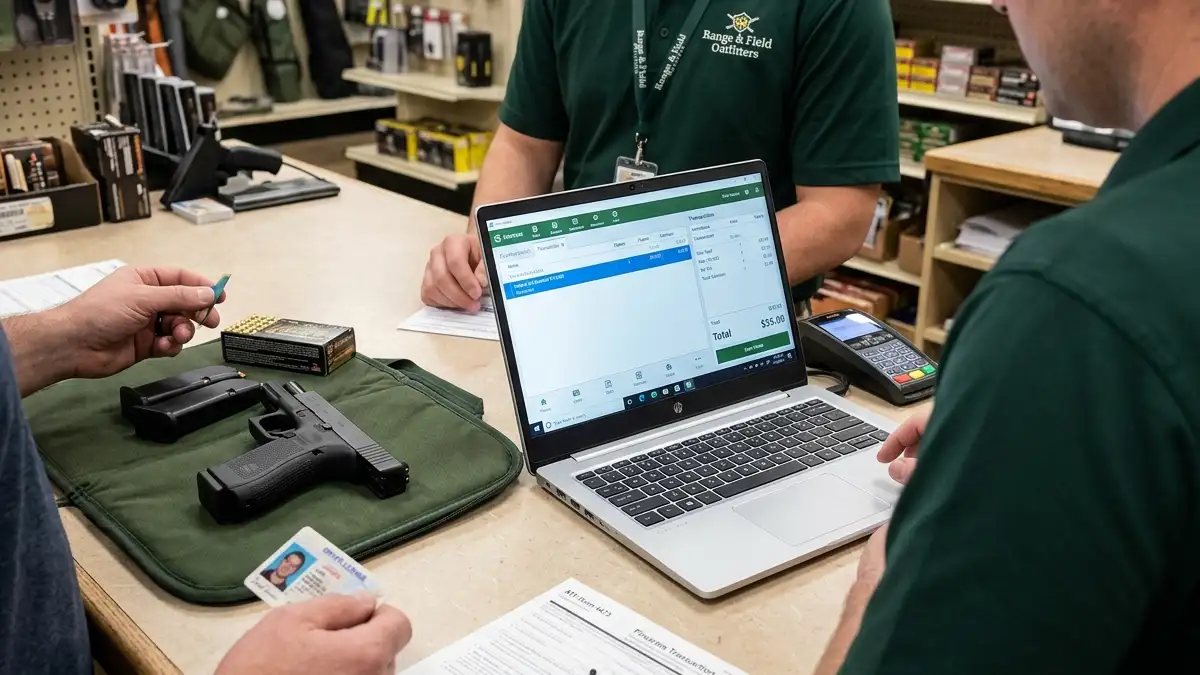
A gun store owner managing his online business.
Credit: Adaptiv Payments


Director of Sales at Adaptiv Payments | More
A firearms ecommerce store can be a highly profitable revenue stream, especially for brick-and-mortar gun store businesses that want to expand. However, there are strict federal and local laws around selling guns online, and not every payment services provider will work with an online firearms business.
This complete guide provides a payments-ready and policy-compliant launch checklist to help you enter the firearms industry and open a successful online store.
Define What You’re Selling on Your Firearms E-Commerce Website
To sell firearms legally, you need a clear understanding of what products you will offer. There are different licensing requirements depending on your product catalog. Platform and payment processor policies will differ by category.
A firearms website that sells only optics, gun apparel, and parts and accessories, like cleaning kits, may not require an FFL if it does not also sell handguns and rifles.
State laws and local firearm laws may allow non-FFL holders to sell standard ammunition if they don't sell firearms. Depending on the platform and payment service, you may be able to sell the above products on a firearms e-commerce site without special restrictions.
However, gun dealers must have the proper licensing for the type of products they sell, whether that is long guns, handguns, or short-barreled rifles. They may face more challenges in accessing secure payment processing from mainstream payment service providers (PSPs).
Catalog accuracy is critical for both complying with federal regulations and for selling online with a merchant account. Your provider will need to review your product catalog before underwriting an account.
Apply for a Federal Firearms License (FFL): Background Checks and Jurisdiction Know-How
To comply with federal law, anyone who is engaged in commercial firearm sales must have a Federal Firearms License. This includes gun dealers, manufacturers, importers, or exporters. There are different types of FFLs depending on what you sell or manufacture, such as for large manufacturers of destructive devices or antique weapon dealers.
Obtaining an FFL involves filling out ATF Form 7/7C, paying an application fee, and submitting to a background check. A local ATF officer will schedule an in-person interview to check for legal compliance with federal, state, and local regulations before approving you.
With online gun sales, you cannot ship firearms directly to customers. Instead, customers will have to visit a local FFL dealer to complete the necessary paperwork and finalize the purchase. In other words, you are shipping firearms to other FFL holders, not individuals.
You must ensure compliance with local regulatory requirements. Local ordinances might include mandatory waiting periods between purchase and transfer or prohibited sales to certain individuals. Get familiar with your legal responsibilities, including any anti-gun laws meant to restrict access.
Choose a Platform That Will Actually Support Your Business Model
Online firearm stores often face challenges in building their site and processing payments because these websites restrict firearms or ammunition transactions. Even if your ecommerce platform allows firearm sales, payment services are often the limiting factor.
You should be familiar with the policies of your processing platform and adhere to its guidelines. For example, PayPal's policy on firearm transactions is vague regarding what firearm accessories are allowed, which can lead to unexpected account termination.
Build a Payments-Ready Store Foundation to Sell Firearms
Clear, transparent store policies will reduce disputes and underwriting risk, helping you get funded faster. Your website should have a Terms of Service, Privacy Policy, and Contact page linked in the header or footer so that clients can easily find what they need. Additionally, have these elements prepared before you open your store:
- Refunds and Returns Policy: Explain when you accept refunds and what proof is necessary. If you charge a restocking fee, make sure new customers know this to avoid disputes. You should also explain when customers can make returns and how long your return window is.
- Shipping Policy: Some shipping carriers do not accept firearms or ammunition, so you will need to select the right carrier for your area. Include tracking for all items, including when they arrive at the local FFL dealer and can be picked up. Be upfront about shipping timelines and communicate proactively if there are delays.
- Customer Support: Allow customers to contact you through multiple channels, including chat, email, and phone. Train your representatives to respond promptly, clearly, and professionally, ideally with communication guides.
Set Up Customer Relationship Management: Shipping, Returns, and Documentation
Inventory management is an essential aspect of firearms ecommerce, both from a legal and reputational standpoint. Keep clear documentation for all sales, including order records, customer communication, and proof of delivery.
Shipment tracking lets buyers know when their gun is ready for pickup at the local dealer. Many carriers require a signature for age-restricted items, and this also confirms that the product was received by the local store.
Ensure that your return and refund policy is clear and consistent for every transaction. Provide this information at checkout and when an order is confirmed to avoid misunderstandings. This proactive communication can reduce disputes and mitigate chargebacks, thereby protecting your relationship with processors and banks.
Set Up a Payment Gateway
Mainstream payment service providers (PSPs) do not allow firearm ecommerce due to the high risk involved in the industry. There are many reasons why firearms merchant accounts get declined by PSPs, including the potential for fraud, high chargeback rates, and a complex regulatory landscape involving both federal and local regulations.
To avoid these issues, gun dealers often choose to open a specialized firearms merchant account. A firearms merchant account is an underwritten account, often stacked with a payment gateway and payment processor. An industry professional will review your business documentation and regulatory compliance, assess the investment's potential risk, and customize your account services to best match your needs.
Not only do these accounts avoid problems such as unexpected termination, but they also offer enhanced security features, including SSL encryption and chargeback mitigation. These monitor fraud in real time and prevent disputes.
Underwriters will request documentation before approving the account. This can include:
- Business documents, including articles of incorporation, EIN, and ID
- FFL, if relevant to your business model
- Product catalog and product descriptions, checking that it matches inventory
- Policies and customer support standards
- Fulfillment and dispute mitigation plan
High-risk accounts often include contract clauses, such as rolling reserves and transaction fees, meant to reduce the company's risk. A quality service provider will explain these contract clauses and any associated fees.
Start Fulfilling Orders and Selling Firearms Online
Once you have your account and payment gateway set up, you can begin processing orders. Keep the following factors in mind to ensure a quality shopping experience:
- Gradual Volume Ramp: Sudden spikes can be challenging on multiple levels. For one, unexpected changes to translation volume or average transaction value can result in account closure. It also places pressure on your fulfillment team and can make inventory management more difficult. Slowly expand your catalog and transaction volume.
- Proactive Customer Communication: Be clear and transparent with your clients about when they can receive their shipments and what the next steps are. If there are unexpected delays, address them ahead of time, before buyers complain.
- Descriptors: Vague or unclear descriptors can lead to chargebacks, as buyers may not recognize the charge on their credit card or bank statement. Set custom descriptors with your business name to avoid confusion.
- Dispute Monitoring: Merchant accounts often include dispute monitoring and alerts for pressing issues. You should review any disputes at least once a week, if not more often.
- Fulfillment Speed: Slow fulfillment is a common cause of disputes and chargebacks. Set fulfillment speed targets and inform buyers at each stage of the process so that they know when to expect their product.
Why Choose Adaptiv Payments
Adaptiv Payments is the gold-standard payment processing solution for high-risk industries thanks to competitive rates, industry experience, and tailored service that addresses your business's unique needs.
Our firearms experts are highly familiar with the needs of gun businesses and the specific challenges of this industry. This means they underwrite based on experience, not mainstream risk assessments.
With Adaptiv Payments, you will enjoy PCI-DSS-compliant gateways with advanced fraud detection, ensuring fast, secure transactions for every customer. Our chargeback mitigation and dispute management tools help you address problems before they become chargebacks, which protects your banking relationships and reputation.
Customers don't just care about products; they also care about the online shopping experience. Seamless integration with major ecommerce platforms means a safe, fast, and enjoyable payment process that demonstrates peerless customer service.
Contact us today for a free quote and learn how we help online gun stores thrive in this highly competitive sector.
