Verified by Visa
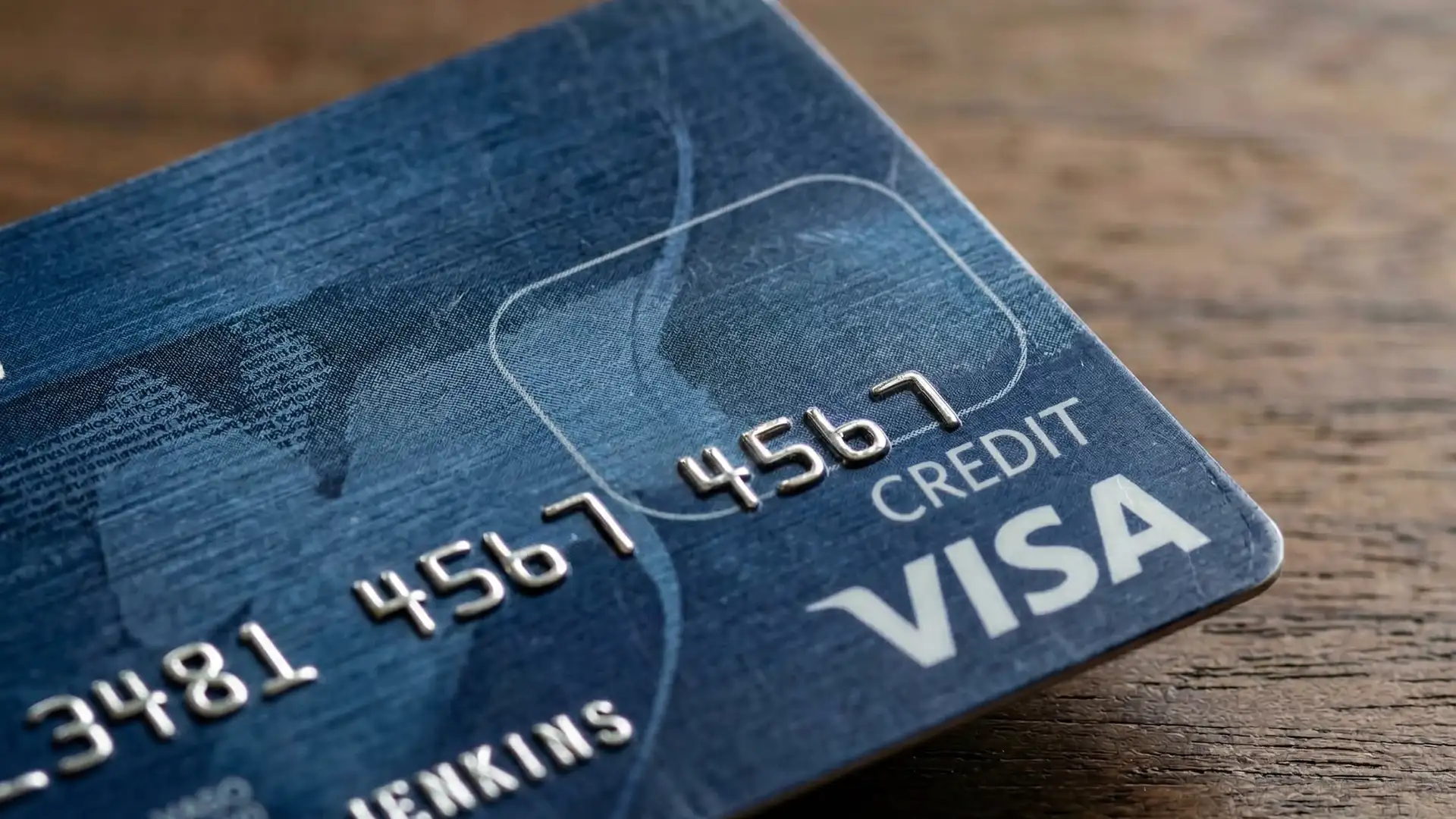
Verified by Visa logo and 3d rendering
Credit: Adaptiv Payments


Tech Lead at Adaptiv Payments | More
Verified by Visa (VBV), also known as the Visa Secure program, offers enhanced security for online card payments. This card issuer authentication process is a branded version of 3D Secure, similar to Mastercard Identity Check.
Using VBV authentication can help reduce fraud exposure in certain cases. By boosting consumer confidence, participating online merchants may increase conversion rates. Understanding VBV is an essential aspect of handling payments for high-risk industries, as these online merchants may need to comply with stricter identity verification standards.
What Is Verified by Visa?
Verified by Visa is a Visa-branded cardholder authentication service used during checkout to protect cardholders from unauthorized transactions. If authentication is successful, the transaction can proceed to authorization, the next step in the online checkout process.
Verified by Visa vs 3D Secure
Verified by Visa is part of the 3-D Secure ecosystem and is used by issuing banks that rely on Visa.
Most modern versions run through the 3DS2 or EMV 3DS gateway. This version reduces checkout friction by using step-up challenges for suspicious activity. Many consumers will not require any additional authentication, allowing online transactions to flow smoothly.
How the Risk-Based Authentication Flow Works
The card issuer will analyze risk signals and customer history to determine whether the transaction requires an additional fraud protection step.
For example, if the customer is in the same IP location as always and ordering something they've purchased before, then the issuer will select a frictionless checkout that does not prompt the customer. Authentication is approved in the background.
If there is potential unauthorized use, then the issuer adds an extra layer, called a step-up challenge. This may involve a one-time passcode, biometric authentication, or app confirmation.
Fraud Liability and Disputes
Authentication can help reduce unauthorized use, like account takeovers. Requiring extra steps, such as one-time passwords or email confirmation, may stop some transactions before they are completed. However, it can not prevent all unauthorized transactions and should not be a merchant's sole security measure.
Verified by Visa can shift liability for fraud disputes, depending on the scheme conditions, security features, and authentication results. This can protect merchants and offer consumers peace of mind.
However, Verified by Visa and other 3DS systems do not prevent all disputes. If consumers file complaints about missing refunds, missing items, or items that were not as described, authentication cannot be used as a defense. You need additional chargeback prevention tools to help mitigate these disputes.
When Merchants Should Use 3DS
These are some circumstances where you may want to employ the extra protection provided by 3DS:
- First-time customers
- High AOV carts, or carts with high-ticket items
- Cross-border transactions, or where the customer orders from a different country than their issuing bank
- Repeated purchase attempts
- Velocity spikes, like high traffic from one device
- Suspicious devices or IPs, such as ordering from a public IP address
- Mismatched signals, like attempting to pay with a card from an unassociated customer
A quality high-risk payment gateway integrates 3D Secure and step-up challenges without introducing unnecessary friction. If you've recently scaled operations and are experiencing velocity spikes, high-volume merchant accounts can help you manage transactions without risking your banking relationships.
How to Avoid a Checkout Drop When Using Extra Verification Steps
While challenges help prevent fraudulent transactions, they also increase friction and cart abandonment. Verified by Visa reduces unnecessary challenges by routing transactions based on risk levels. You should monitor issuer behavior to ensure the challenge rate is not unacceptably high. Improved user experience can also reduce cart abandonment rates.
You should monitor the following metrics to improve your conversion rates:
- Challenge rate
- Authentication success rate
- Authorization rate
- Abandonment at challenge
- Fraud rate
- Fraud-related chargebacks before and after implementation
Added Layers of Security for High-Risk Merchants
High-risk businesses need layered controls that will adapt to specific online shopping scenarios, offering the right balance of protection and frictionless authentication. Adaptiv Payments offers comprehensive payment services for high-risk merchants, including gateway support for 3DS or other issuer authentication.
Our fraud controls include AVS, signal velocity, and device signal monitoring for real-time prevention. Chargeback controls help you resolve disputes before they escalate into chargebacks, protecting your banking relationships and ensuring customer satisfaction.
Contact us today to learn about Adaptiv Payments' benefits, fee structures, and underwriting process.
FAQs
Verified by Visa, also known as Visa Secure, analyzes transactions and determines whether there are signs of potential fraud. Suspicious transactions will then be authenticated using a one-time code or mobile app challenge.
While not required, many merchants now participate in Verified by Visa to protect themselves from liability.
The step-up challenge is the same for consumers, but the fee structure may be different for merchants. Credit card fraud also has a dispute resolution process, while regaining funds taken by debit can be more challenging.
Not all merchants use Verified by Visa, as they may not have opted into the program. Additionally, customers may not always see a step-up challenge if the transaction signals are normal.