Void Transactions
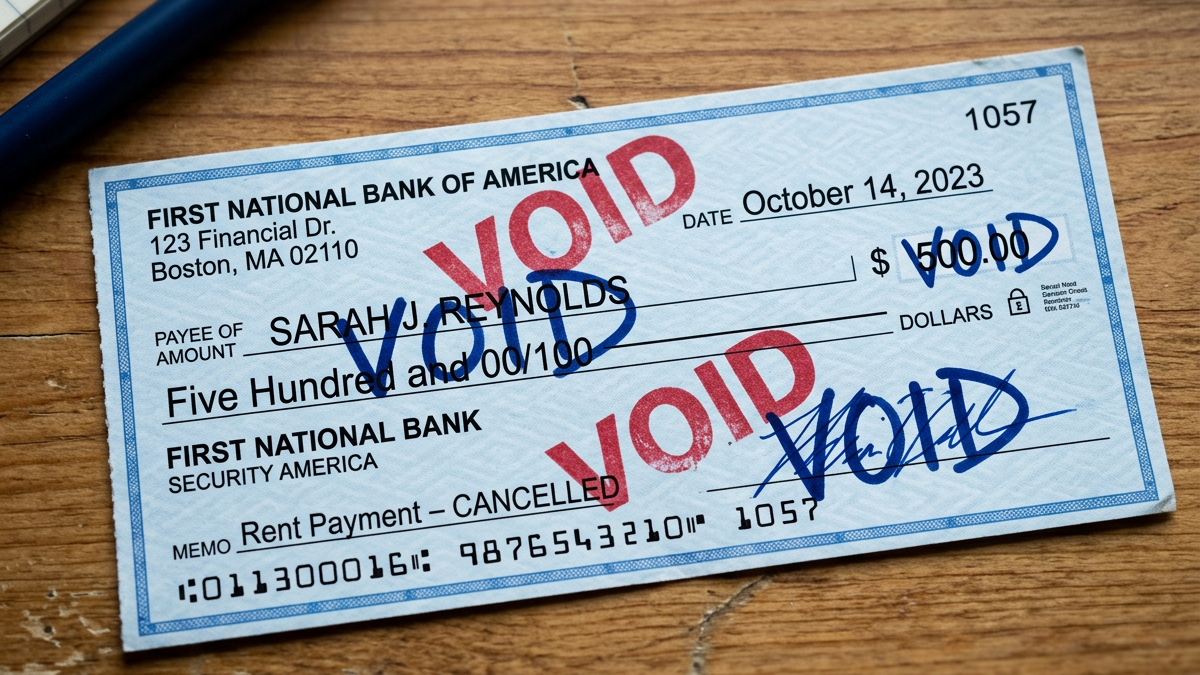
A voided check on a wooden table
Credit: Adaptiv Payments


Payment Processing Expert | More
What Is a Void Transaction?
Void transactions mean that a pending transaction is canceled before any funds are moved from the customer's account. A void transaction is different from a refund or chargeback because it happens in the pre-settlement phase, before the customer's bank or card issuer has transferred any funds.
When Do Void Transactions vs Chargebacks vs Refunds Occur
Chargebacks, void transactions, and refunds are different processes. Unlike void transactions, refunds and chargebacks happen after a transaction has been settled, meaning that funds are transferred from the merchant back to the customer. A void transaction cancels the transaction before the payment method is charged.
| Void | Refund | Chargeback | |
|---|---|---|---|
| When it happens | Pre-settlement | Post-settlement | After the dispute is filed |
| What the customer sees | Pending transaction drops off | Posted payment, then refund | Dispute |
| Reporting impact | No settled sale | Sale and refund | Dispute case |
| Best use case | Duplicate transaction or suspected fraud | Returns | Confirmed fraud or customer dispute |
How a Void Works in the Payment Flow
Every transaction authorization, capture, and settlement. Most merchants batch their transactions to reduce payment processing fees and simplify their financial records.
A void transaction happens before the settlement phase. Depending on when you void the transaction relative to the financial institution's reporting process, the cardholder's account may briefly show a pending charge, which is then removed. However, the voided translation should not appear on a customer's statement at the end of the month, since funds were never captured.
Voids in Pre-Auth + Capture Workflows
If you have used pre-authorization, you can void the pre-authorization that you do not intend to capture. This may occur due to inventory issues, suspected fraud, or an unconfirmed booking.
Why Void Transactions Happen
Void transactions can occur for a range of reasons. These are the main reasons why a company may need to void the transaction before it is settled:
- Duplicate Orders or Incorrect Transaction Details: The customer may have accidentally made the same purchase, or a technical issue may have led to the wrong product amount.
- Quick Cancelations: If a customer cancels the order on the same business day, it may not have been fulfilled yet, leading to a void transaction.
- Potentially Fraudulent Activities: The system may have identified fraudulent credit card charges, or the customer may have reported their card missing before fulfillment can occur.
- Out of Stock or Unconfirmed Booking: A connected inventory management system may automatically void transactions beyond available stock. Similarly, a booking system may void the transaction if the customer does not confirm the booking within a given period of time.
- Human Error: In the retail and service industries, staff may enter incorrect charges or wrong amounts of product into the payment system. Voiding the transaction enables cashiers to correct mistakes on customer orders without issuing refunds.
Customer Experience: Pending vs Posted and “Double Charges”
A pending authorization means the funds have not yet been debited from the account, while a posted charge means the settlement process has been completed.
Ideally, you will act quickly and void the transaction before the card network places a pending authorization on the customer's account. However, customers may still see the charge and believe they were charged twice, especially if the transaction was voided due to an incorrect amount or transaction value.
To build customer trust and avoid disputes, explain the difference between a pending authorization and a posted charge. Inform customers that the charge will be removed before their monthly statement, but explain that the timeline varies by bank.
Reporting and Reconciliation: How Voids Show Up in Your Numbers
Void transactions help ensure accurate tax reporting by presenting as $0.00 in your financial statements, meaning that no sales figure was reported and no refund was issued. Because they are not part of your business's revenue, they do not affect cash flow calculations and will not influence your taxable income.
In your sales reconciliation notes, clearly distinguish between void transactions and refunds. You should also set up your customer management software so that a void transaction also cancels fulfillment updates and customer notifications.
Void Transactions in High-Risk Industries
Merchants in certain MCC risk categories will face extra scrutiny from credit card companies and banks regarding customer disputes. This is due to the high risk of fraud, legal complexity, frequent chargebacks, or high-ticket items.
While a low-risk merchant may be able to handle disputes without incurring penalties, these MCC categories may be forced to hold rolling reserves or have their transactions limited due to a similar dispute rate.
If you are a high-risk merchant, voiding a transaction reduces confusion and prevents disputes from escalating. It can also address scaling issues, such as resolving disputes with multiple customers simultaneously.
How to Prevent Void Transactions
While void transactions are a useful tool for fraud prevention and chargeback management, they should be used sparingly, as they can otherwise cause confusion during reconciliation and may lead to customer complaints. Follow these steps to keep void transactions to a minimum:
- Fraud Protection: Strong fraud protection systems will screen for issues before captures, letting you quickly identify issues and issue step-up challenges.
- Duplicate Screening: Implement systems to detect duplicate transactions. If you see an uptick in void transactions, check your systems to see if website or app lag is causing customers to double-order.
- Staff Training: Staff error is a common cause of void transactions. Implement staff training for virtual terminals and manual entry, including steps like checking that product codes match, confirming customer details, and double-checking transaction amounts.
- Cancellation Policy: Develop a clear cancellation policy with timing so that customers know how long they have to cancel.
- Monitoring: Monitor spikes in void transactions, as these may suggest checkout bugs or fraud testing.
FAQs
A merchant should void transactions if the original transaction is not going to be captured or settled. This may be due to transaction issues like duplicate items or a customer request for cancellation.
Tighten Your Payment Flow With Adaptiv Payments
Adaptiv Payments provides an all-in-one payment solution for high-risk industries. Our integrated merchant account, payment gateway, and payment processing enable seamless transactions, while the easy onboarding process gets you funded faster.
We understand the unique needs of merchants in high-risk industries, employing specialists who can customize your accounts to meet your specifications. Our transparent pricing and competitive rates allow for predictable payments, and our customer service team is always available to answer any questions you may have. We also allow payments in multiple currencies, letting you expand into new markets.
